Your cart is currently empty!
You may check out all the available trips and book one that suits you.
Continue Browsing Trips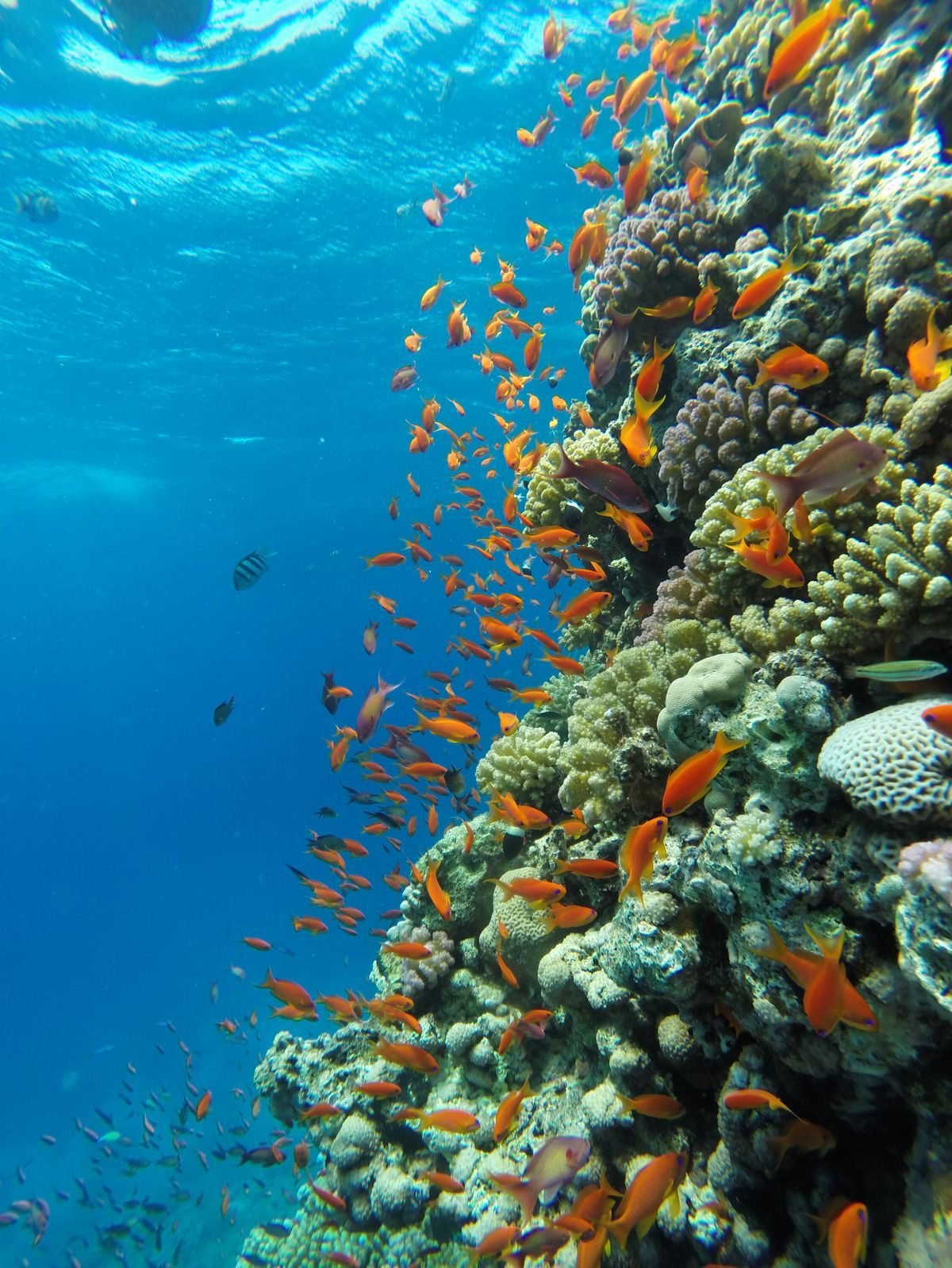
Quick facts:
Start.
Van came. Late. Eight minutes. Normal.
Smell hit me first. Diesel. Cheap coconut sunscreen. Wet neoprene. Somebody’s stale cigarette from the driver. That old carpet smell they never wash – you know the one. Like a taxi in Cairo but floating.
Right.
Hard coral first.
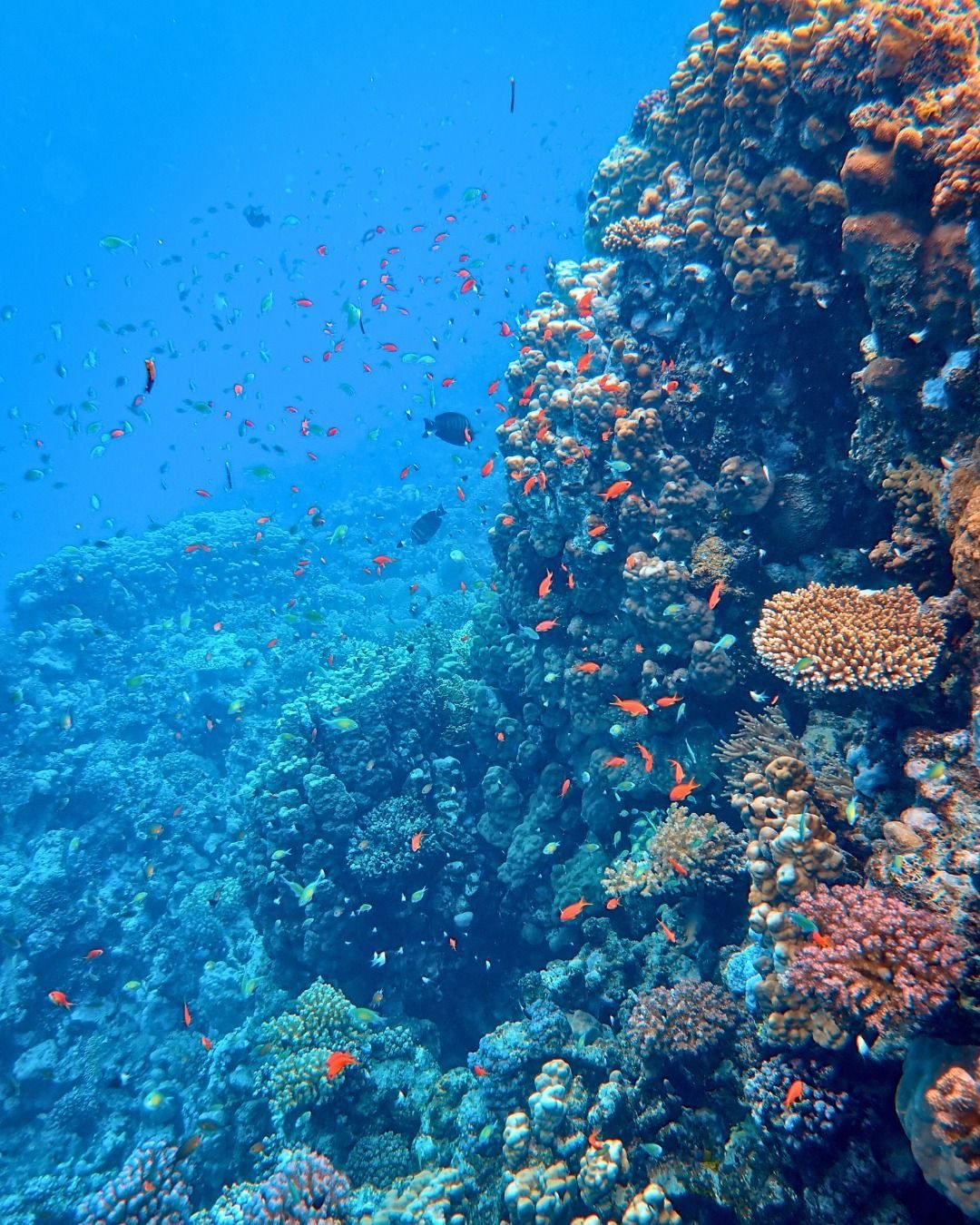
Acropora. Staghorn. Grows 10cm a year max. That big colony 2 metres wide? 20 years. Minimum. Touch it? Dies. Thanks.
Porites. Boulders. Some 4 metres across. 200 years old. I swam over one last March. Thought it was a rock. It wasn’t.
Pocillopora. Cauliflower coral. Small branches. Breaks easily. Broken bits regrow elsewhere. Clever.
Soft coral? Not builders. Sarcophyton – leather coral. Floppy. Brown. Fish hide under it when scared.
Dendronephthya. Bright pink. Orange. Purple. Looks fake. Like plastic from a cheap aquarium. No algae inside. Needs plankton to eat. Filter feeders. Rare to see healthy. Hurghada has good patches at Careless Reef.
Xenia. Pulsing. Opens and closes. Looks like a hand waving. Mesmerising for about 2 minutes. Then boring.
Fire coral. Millepora. Yellow-brown. Not real coral – hydrozoan. Stings like hell. I brushed my leg once in Sharm El Naga. Red rash for 3 days. Learn to spot it.
Salinity. 41 parts per thousand. Ocean average 35. Saltier.
Why? No rivers feeding in. High evaporation. So corals here are tough. Adapted.
Temperature range. 20°C winter to 30°C summer. Corals survive swings that kill other reefs.
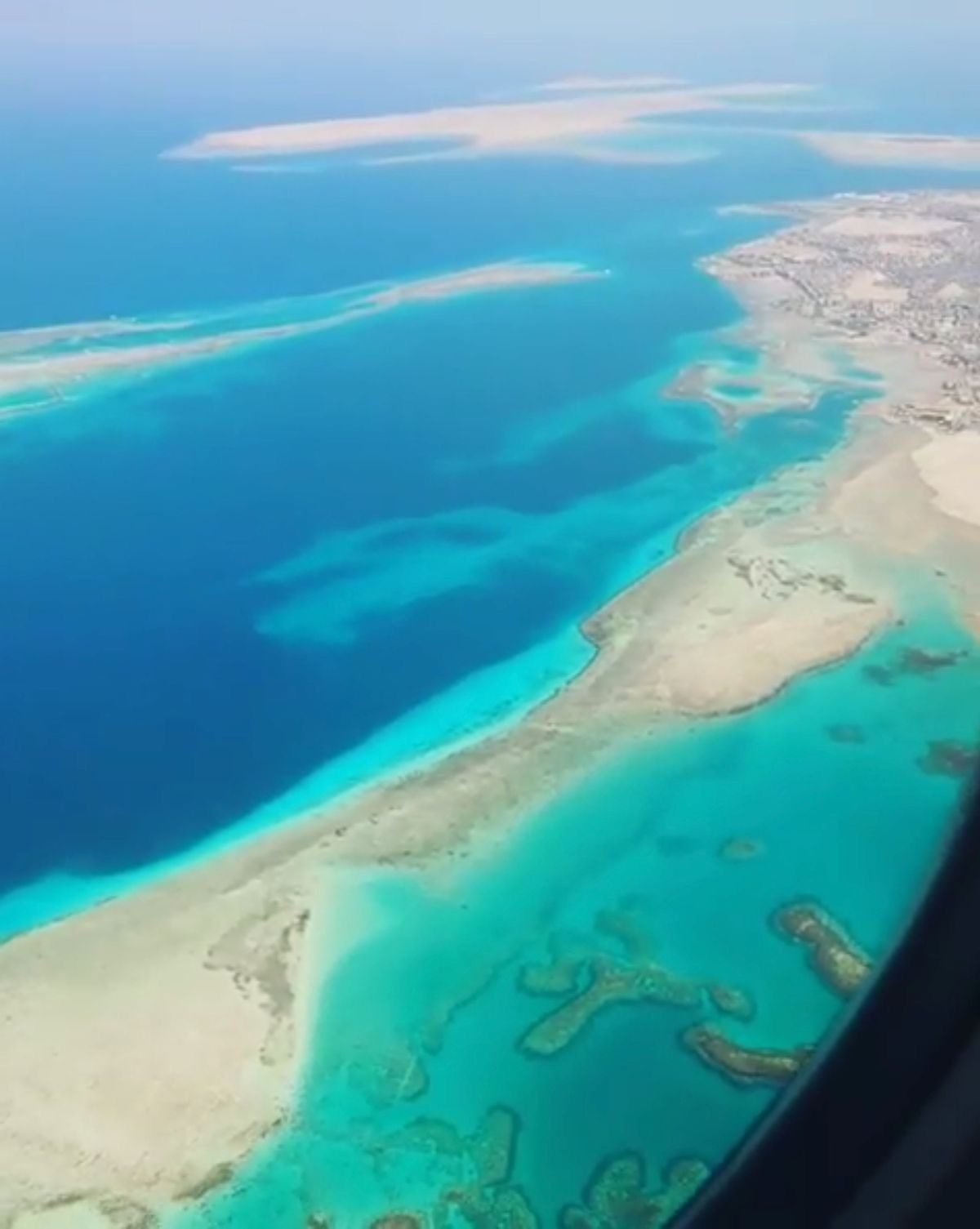
Depth. Red Sea averages 490 metres. Deepest over 3,000. But fringing reefs like Hurghada grow in first 30 metres. Light stops below that for photosynthesis.
Currents. North to south. Strong in winter. Weak in summer. Drives food and oxygen. Giftun’s outer slope has steady current. That’s why coral grows big there.
Because you asked. Deep thinking. Practical.
Day 1 – Introduction & shore reefs
Morning. 7am. Sharm El Naga. Drive 30 minutes south of Hurghada.
Pay €8 entry. Walk to water. Coral starts 20 metres out. Patchy first. Gets better.
Stay until 10am. Then too hot. Too bright for photos.
Bring your own mask. Rental there is crap – scratched, yellowed, seals leak. But fine if desperate.
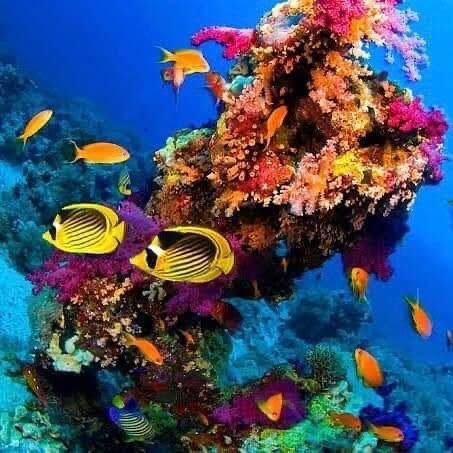
What you’ll see. Leather corals. Some staghorn. Parrotfish – the bright blue ones. Angelfish – yellow and black. Bannerfish – like a skinny angelfish with long fin.
Lunch. Pack a sandwich. Beach cafe is overpriced. €5 for a stale roll. Water €2. Take the piss.
Afternoon. 2pm to 5pm. Back to same spot. Light softens. Fish active again. Different direction – shadows change.
Evening. Clean your gear. Charge camera batteries. Soak mask in fresh water. Salt crystals scratch lenses.
Day 2 – Boat trip to Giftun outer slope & Abu Hashish
5am pickup. Painful. Do it anyway.
Boat leaves 6am. You’re first on the reef by 6:30am.
Giftun outer slope. North side. Coordinates roughly 27.18°N, 33.92°E. Depth 3 to 30 metres. Table corals everywhere. Visibility 20 metres if calm.
Stay 2 hours. Then crowds arrive. Leave before 9am.
Second stop. Abu Hashish. 45 minutes south. Coordinates 27.12°N, 33.88°E. Plateau at 5 metres. Wall drops to 25. Turtles before 10am. 90% chance in summer.
Lunch on boat. Rice, chicken, salad. Salad looks suspicious. I skip it. Never been sick but why risk.
Third stop optional. Fanadir South if time. Visibility best here – sometimes 25 metres. But current can pull. Snorkelers stay on the inside edge.
Return 2pm. Shower. Nap. Sunburn will hit around 4pm. Even with sunscreen. Always does.
Day 3 – Private speedboat to hidden reefs
Rent private boat. €150–200 for 4 hours. Up to 6 people.
Go to Umm Gamar first. Small reef near Giftun. Horseshoe shape. Max depth 6 metres. White sand bottom. Coral patches only – but pristine. No crowds because no big boat can fit.
One hour. Macro photography. Nudibranchs on sand. Small shrimp in anemones. My friend found a seahorse there last October. Tiny. 5cm.
Second stop. Erg Somaya. Deep pinnacle. Snorkelers stay on top at 5 metres. Divers go to 30+. Whips and gorgonians cover the sides.
Third stop. Magawish Island. Shallow reef at 2–8 metres. Easy. Relax. Beach stop if you want. Basic facilities.
Return by 1pm. Avoid afternoon heat. Sun is brutal at sea – reflection from water doubles it.
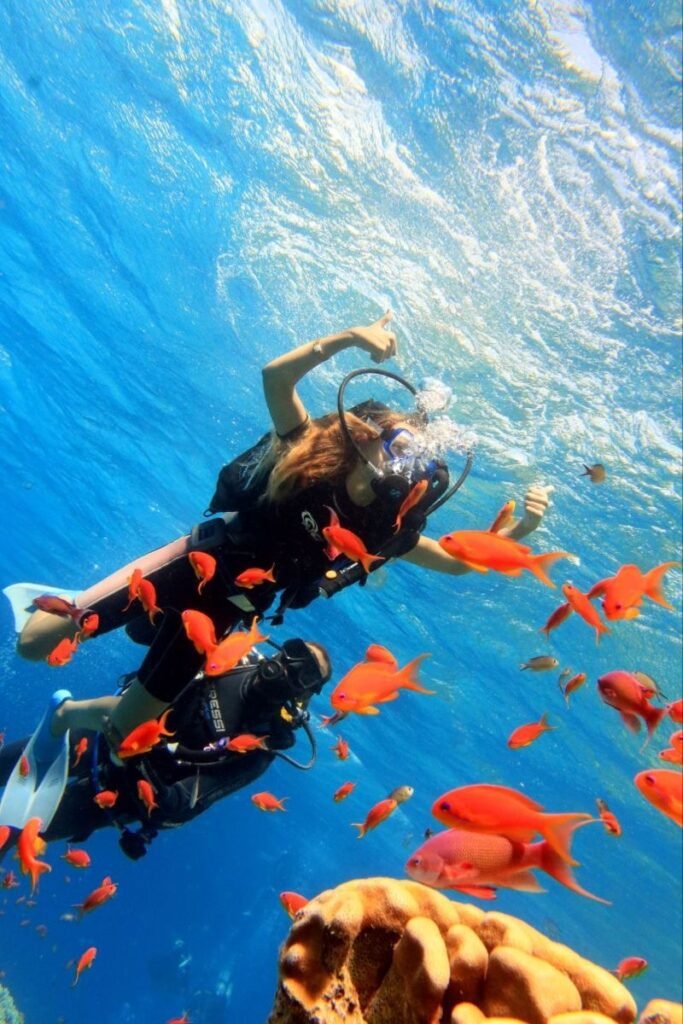
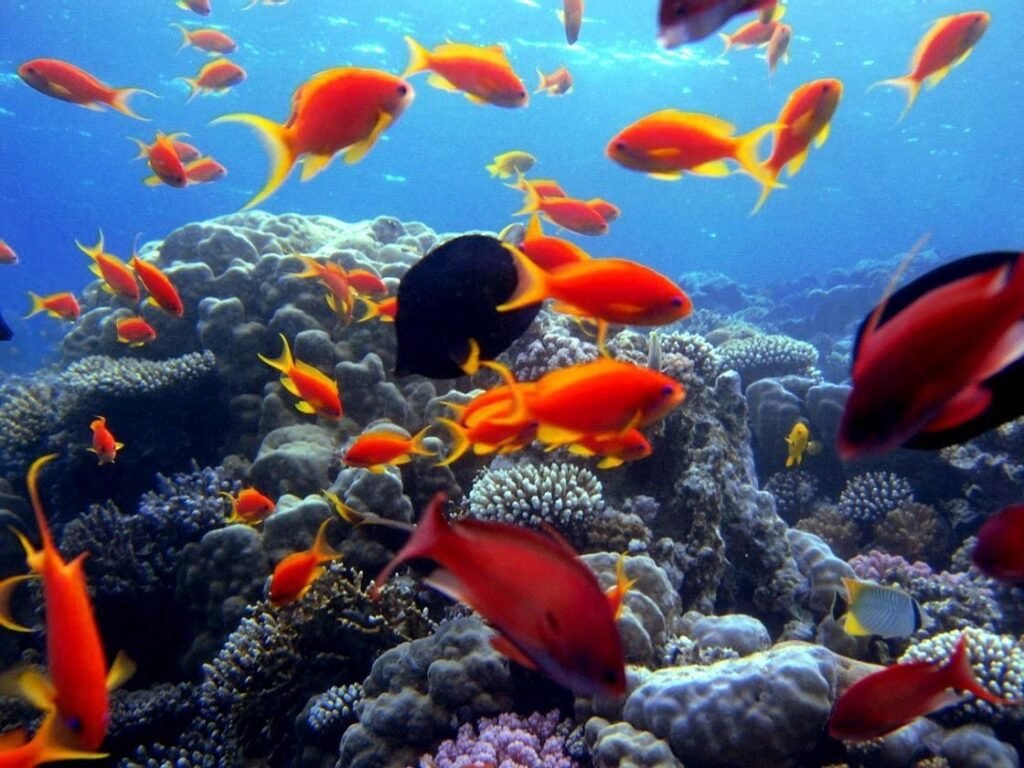
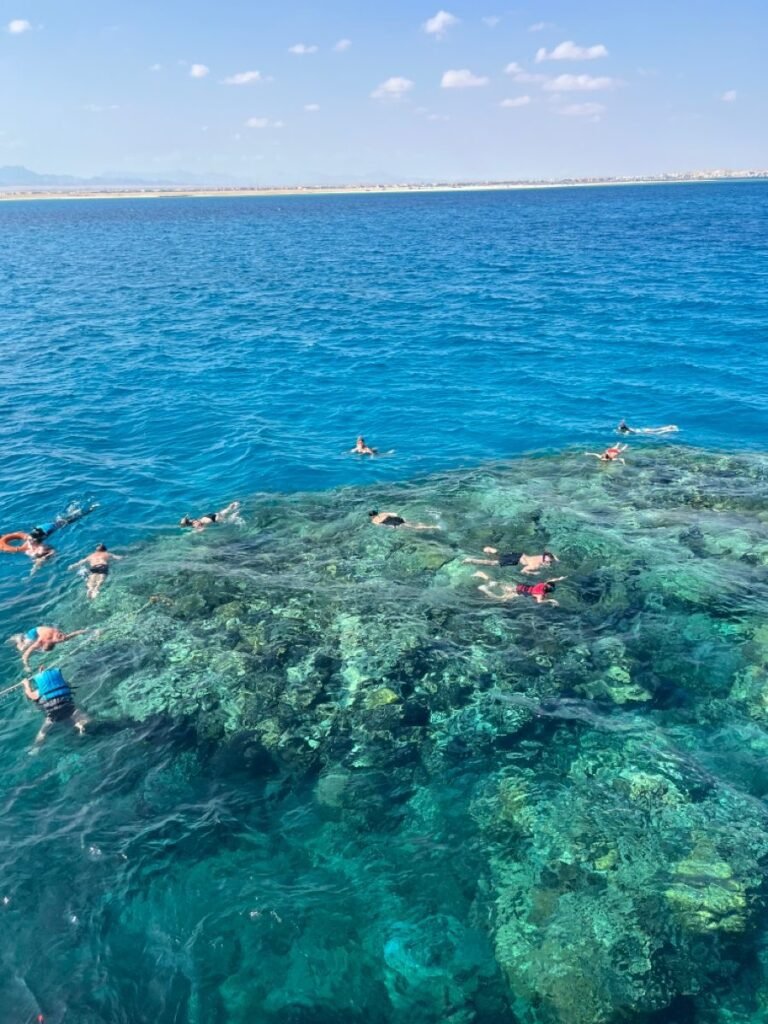
Manual mode. Forget auto.
Shutter speed. 1/250 minimum. Fish move. You move. Current moves. 1/125 blurry.
Aperture. f/5.6 to f/8. Narrow enough for depth. Wide enough for light.
ISO. 100 to 400. Above 800 noisy. Unusable for print. Fine for Instagram – who cares. But I care.
White balance. Set to 5500K manually. Or cloudy preset. Auto turns everything blue below 3 metres.
Strobe essential below 5 metres. Budget? €50 video light from Amazon. Not perfect. Better than nothing.
Position light at 10 o’clock or 2 o’clock. Not straight on. Straight on lights up floating crap – backscatter. Side angle hides it.
Clownfish in anemones. Anemones open fully 9am to 11am. Earlier? Closed. Later? Shrinking. Plan around this.
Parrotfish sleeping. They make mucus cocoons at night. Found at 7am before they wake. Creepy but cool.
Turtles resting on sand. 10am to 12pm. After feeding morning. They sleep. Approach slow – no sudden shadow.
Moray eels. Head sticking out. Mouth open. Just breathing. Not aggressive. But don’t poke. Friend lost a finger in Marsa Alam. True story.
Napoleon wrasse. Big. 1 metre. Curious. Comes close if you stay still. Rare in Hurghada – common in Giftun outer slope.
Boat engines. Loud. Two-stroke. Smoke. Ruins the quiet.
Guests who can’t swim. On a snorkeling trip. Wearing life jackets. Floating on surface. Kicking coral underneath. Zero awareness. Shocking.
Coral bleaching event 2023. Water hit 32°C for 10 days. Shallower reefs bleached 40%. Some recovered. Some gone. The reef at Mahmya Island – sad. Dead staghorn. Algae overgrowth. Used to be beautiful. Now? Not worth.
But. Deeper reefs fine. Giftun outer slope below 8 metres – healthy. Abu Hashish – healthy. So don’t panic. Just go deeper.
Gear rental. Old. Masks leak. Flippers too small or too big. I bring my own. Mask cost €40 on Amazon. Best €40 I spent.
Guides rushing. “Time up” after 45 minutes. You just found something good. Too bad. But expected. They run on schedule. Private boat solves this.
Lunch. Rice. Dry chicken. Mystery sauce. Salad that looks washed in the same water as the deck. I bring my own dates and bread. Never regret it.
April. Water 23°C. Chilly but clear. Visibility 20 metres. Crowds low. Corals recovering from winter. Best month for photography – low angle sun.
May. Water 25°C. Perfect. No wetsuit needed. Visibility still good. Crowds start. Still fine.
June to August. Water 28–30°C. Warm like a bath. Too warm for some corals – stress. Visibility drops to 10–15 metres from plankton. Boat traffic insane. Go early morning only.
September. Water 28°C. Crowds thin after European holidays. Visibility improving. Good month.
October. Water 26°C. My second favourite. Light still good. Corals look best after summer growth.
November. Water 24°C. Getting cool. Wetsuit recommended. Light angle low – long shadows. Dramatic photos. Quiet reefs.
December to March. Water 21–22°C. Cold entry – gasp for breath. Wetsuit essential (5mm). Some tours stop. Windy days cancel boats. Reefs empty. Heaven for locals. Hell for tourists.
Because deep thinking. You want more.
Ras Mohammed National Park. 3 hours drive plus boat. Coral cover 80%+ in Shark Observatory. Yolanda Reef has a sunken ship with toilets – weird but famous. Day trip from Hurghada costs €60–80. Long day. Worth once.
Elphinstone Reef. Near Marsa Alam. 4 hours south. Wall dives. Oceanic whitetip sharks common. Not for beginners. Current strong. Deep. Advanced only.
Brothers Islands. Liveaboard only. 2 days from Hurghada. Big sharks. Steep walls. Big tuna. Hard corals massive. But expensive – €500 for 3 nights.
Rocky Island. Very far. Near Sudan border. 5 day liveaboard. Pristine. Untouched. Coral like 1980s. I haven’t been. Too expensive. Next year maybe.
No manta rays in Hurghada. Wrong side of Red Sea. Go to Sudan.
No whale sharks near shore. Maybe once a year. Unreliable.
No giant clams. Overharvested. Sad.
No black corals – too shallow. Need 40 metres+.
No sea horses regularly. Maybe one a year. Lucky spot.
Yes for beginners. No for experienced.
What do you get? Someone holds a strobe. Finds the seahorse. Sets the white balance. Edits 10 photos after.
Cost €40–80 per hour. Local guy named Ahmed. Knows Giftun like his garden. Shows me a pygmy seahorse once. 1cm. I missed it. He pointed. Got the shot.
But if you have a GoPro and zero skill? Even Ahmed can’t fix that. Learn basics first.
## schedule for learning underwater photography in Hurghada (one week)
Day 1. Sharm El Naga shore. Practice buoyancy. Float without touching reef. Take 200 photos. Delete 190.
Day 2. Giftun outer slope morning. Wide angle coral formations. Use strobe. Learn angle.
Day 3. Rest. Edit photos. What worked? What didn’t?
Day 4. Abu Hashish early. Turtle hunt. Stay still. Let them come.
Day 5. Careless Reef macro. Find nudibranch. Get within 5cm.
Day 6. Private speedboat. Umm Gamar. Seahorse search (lucky). Or just shrimp.
Day 7. Review all photos. Best 10 get printed. Cheap place in Hurghada – €2 per print. Frame on wall. Reminds you.
Bus to El Gouna. Zeytouna Beach. Jetty with coral underneath. Free entry. Not amazing. Small patch reef. But zero cost.
Taxi to Sahl Hasheesh. Walk to Baron Palace area. House reef accessible from beach. 50 metres out. Turtles occasional.
Rent a car. Drive to Sharm El Naga. Pay €8. Shore entry. Decent reef.
Public ferry? None to Giftun. Don’t believe touts.
I dive twice a week. Keep notes.
Giftun outer slope. Coral health 85%. Some bleaching from 2023 recovered. New recruits – baby corals – seen in February. Good sign.
Abu Hashish. 90%. Best in area. Deeper wall helps. Current brings cool water.
Fanadir South. 70%. Crowded. Damage from anchors. But recovering slowly – buoys installed 2024.
Careless Reef. 60%. Patchy. Beautiful soft coral in shallow. Hard coral dead in other patches. Mixed.
Sharm El Naga. 50%. Overvisited by beginners. But outer edge deeper – 80% healthy. Swim further.
Mahmya Island. 30%. Avoid. Not worth.
Mask. Your own. Fits face. Tested.
Snorkel. Any. €10.
Fins. Full foot for warm water. Open heel for boots. Rental fine.
Rash guard. Long sleeve. SPF50. Sun is brutal. Back burn in 20 minutes.
Reef-safe sunscreen. Mineral. Zinc oxide. Not oxybenzone. The chemical stuff kills coral. Literally. One drop in Olympic pool volume.
Underwater camera. TG-6 used. €300. Strobe €100. Total €400. Better than new GoPro.
Water bottle. Reusable. Boat gives plastic. Refuse.
Cash. €20 for tips. Small notes.
Towel. Microfibre. Quick dry.
Hat. For boat between dives.
Look.
Most snorkeling trips are rushed. 45 minutes per reef. Burger lunch. Back by 3pm. Fine for families. Not fine for photographers.
Dedicated photography trips exist. I know three operators. Small boats (max 6). Stay 2 hours per reef. Guide knows light and marine life. Costs €60–100. Worth it if you’re serious.
Or rent private speedboat. €150–200. Choose your reefs. Stay 4 hours. No rushing. Split with 3 friends. €50 each. Same as shared tour. Makes no sense to take shared.
Shared tours are a zoo. Private boat is the answer.
The reefs here are 5,000 years old. Started growing after last ice age. Sea level rose. Flooded the coastal plain. Corals colonised.
Every table coral you see lived through Roman Empire. Islamic conquest. Ottoman rule. British occupation. Two world wars. Egyptian revolution. Tourism boom. Climate change.
And now. 2026. Still growing. Slow. 1cm per year. But growing.
Most tourists see it once. Maybe twice. Take a photo. Post it. Forget.
I see it every week. The same brain coral at Abu Hashish. I named it Bob. Bob is fine. Slightly bigger than last year. Covered in damselfish.
That’s the thing. The coral doesn’t care about you. It just grows. Or dies. Water temperature. Sunlight. Current. That’s all.
You’re a visitor. Act like one.
Don’t touch. Don’t stand. Don’t wear chemical sunscreen. Don’t litter.
Take photos. Leave bubbles. Tip your guide.
A flat here costs less than a deposit back home. And having a reef like Abu Hashish in your backyard? Not bad for a Tuesday morning. Just saying.