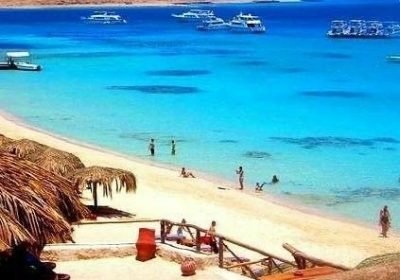
Hurghada Scuba Diving Price Guide 2026: Certified 2-Dive (€50 Explained)
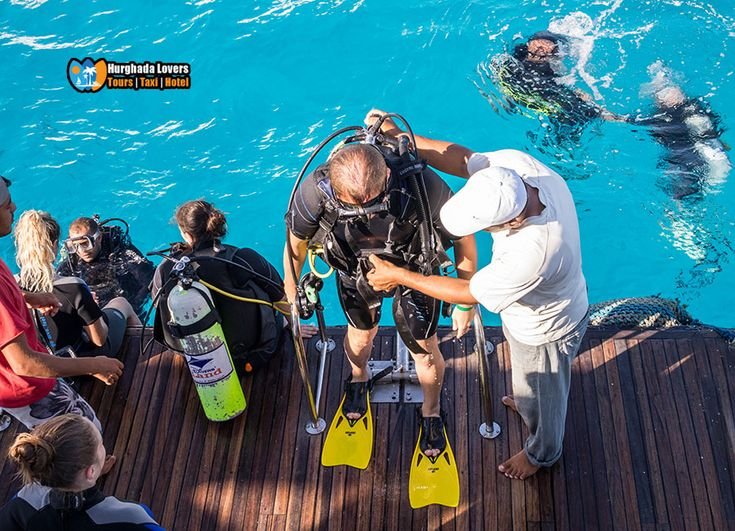
Let me tell you a secret? Years ago, when I first got to Hurgahda and was sitting at a cafe by the sea, I really wanted to go diving… but all the centers I asked had these prices that made me wonder, “Is it even worth all this?”. I waited until I found a proper center that understood a certified diver shouldn’t pay crazy money just for two dips in the water.
So now, so you don’t waste your time and money like I did, I’ve got your complete guide to Hurghada diving deals for 2026. It’s simpler than you think: you can get a full 2-dive boat trip, with all equipment, lunch, and transfers, for that famous €50 price – and it’s all done by the book under CDWS standards, yaani with the proper safety briefings and everything.
In this guide, we’ll break down that price tag for you, show you where to find the real daily deals, and give you the lowdown on the Red Sea scuba sites you’ll actually see. We’ll also chat about what “full equipment” really means on the day. Sound good? Let’s get into it.
Getting Your Head Around the “Certified Diving” Package in Hurghada (This is the Key!)
I’ve gotten a bunch of messages asking me: “What does ‘certified diving’ even mean? And why is the price so different from the beginner stuff?”. And this, honestly, is the most important point to get. If you understand this, you’ll choose the right thing from the start.
Let’s get the terms straight first thing
In Hurghada (and well, everywhere really), there’s a huge difference between:
A “try dive” or “Discover Scuba Diving”: This is for someone who’s never done a course. They’ll do a looong briefing in the morning, be literally attached to an instructor the whole time in super shallow, easy water. It’s a cool experience, but it’s not a proper dive. Think of it as a preview.
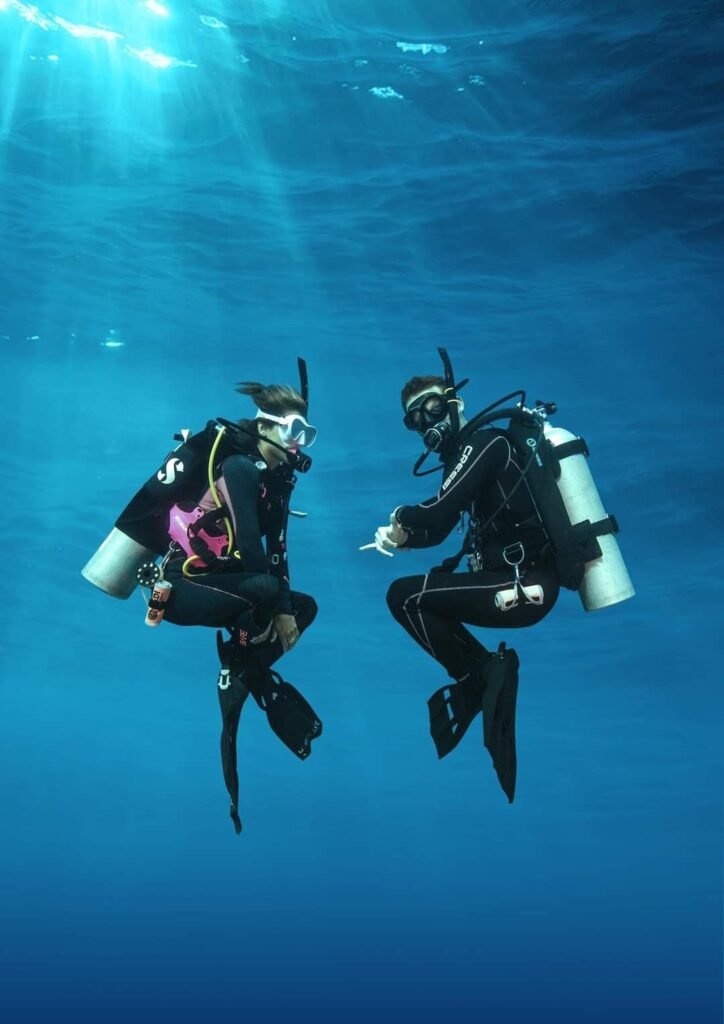
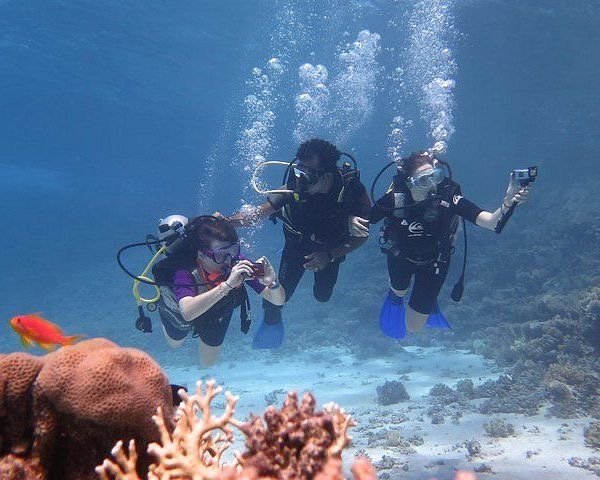
Certified Diving” or what some centers call “Fun Dives: This is for YOU, the diver with a license. You’ve got your C-card (from PADI, SSI, etc.). You’re not there to learn from scratch. You’re there to do.
So when you see that price of €50 for a 2-dive trip, they’re talking to you, the certified diver. They’re not paying for a private instructor for 4 hours. You’re just joining the boat trip and diving with a guide. That’s why the cost is better.
The “Real Deal” vs. The “Test Drive”
You might see a cheaper price for a “try dive” and think it’s a bargain. Here’s why it’s not (for you). That beginner dive? It’s maybe 5-6 meters deep, for 20-30 minutes max, and you’re in the sandy, boring part near the beach.
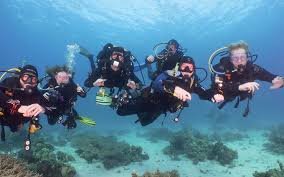
Our certified package? That’s the access-all-areas pass. We’re talking about boat rides out to the famous reefs (like Giftun), diving to 18, 25, sometimes 30 meters depending on your cert level, seeing real marine life, and having actual bottom time. You’re paying for the real Red Sea experience, not the kiddie pool version.
So, is this YOUR package?
Let’s be real, this package is perfect if:
You have a license but haven’t dived in a while and want an easy, guided comeback.
You’re traveling solo and want to meet other divers on the boat.
You’re on a budget but don’t want to sacrifice the quality of the dive sites.
You just want to log some relaxed dives without any exams or pool sessions.
If you’re looking to do a specialty course (like deep diver or nitrox), you need to book that separately—and it’ll cost more. But for jumping on a boat and doing two awesome dives? This €50 deal is exactly what you’re looking for.
What Does “Certified Diving” Actually Mean in Hurghada?
Okay so “certified diving”… sounds kinda official right? But what’s it really like when you’re standing there in the dive shop, sun is blasting, boat’s waiting? Let me try to paint you the picture quick.
It’s honestly not complicated at all. You walk in, and instead of them shoving a huge waiver in your face and starting some four-hour classroom thing, they just ask for two things usually: your cert card (that little plastic C-card from PADI, SSI, NAUI whatever) and probably your logbook too. They give it a fast glance — mainly checking when was your last dive and what level you’re at. If it’s been ages (like a year or more), they might nicely suggest doing a quick refresher in the pool, just for safety, and yeah it might cost a little extra. But if you’ve been diving recently, that’s literally it!
You’re in. The whole vibe changes completely. Briefing is way shorter because they figure you already know what a BCD does and what to do when your mask floods. They expect you to put your own gear together (the guide will still double-check though, don’t worry). In the water you’re not hanging onto the instructor’s hand. You’re just part of a small group with a local guide who shows you the cool stuff. They trust you to handle your buoyancy and watch your air. Basically: they treat you like a real diver, not like a beginner student. That difference, man… that’s everything.
Why Is There Such a Big Price Difference Between Certified and Discover Diving?
So why the huge gap in price? Let’s break down what you’re actually paying for, it’s not some scam, the two things are just totally different products.
Take the Discover Scuba Diving (DSD) for example. For the dive center that’s a massive pain in the ass resource-wise. They need one super-responsible instructor dedicated to just one or maybe two people, pretty much the whole damn day. That instructor can’t take any other paying customers. The dive itself is shallow, short, and stuck in a safe confined spot, so they can’t sell that instructor’s time on a proper money-making boat trip to the good reefs. Plus insurance liability is crazy high for beginners. You’re basically paying for a private, super labour-intensive lesson.
Now flip it to the certified diver package. Completely different math. One guide can easily handle 4–8 certified people on the same boat no problem. You’re all already trained so it’s just guiding, not teaching from scratch. The center makes money from volume and being efficient. The boat heads to the nice sites they were gonna go to anyway, guide salary gets split across the group, lower liability. You’re really just paying for your seat on the boat + guide + gear rental if you need it. That’s how they can do it for like €50 and still not lose money.
The Real Value – Why This Package Is Actually Perfect for Licensed Divers
Yeah it’s cheaper, sure. But it’s not just about saving €30 or whatever. The real magic is the experience you actually get for that money.
First — access. As a certified diver you go to the real deal spots. Think the drop-offs at Giftun Island, the drift dives, the wrecks… places they would never take a total beginner. Second — freedom and respect. You’ve got control inside the group plan. Wanna stay a bit longer staring at that nudibranch? Go for it. Wanna manage your own depth? Fine. You just… dive. It feels so much better.
And last, the people. You’re on the boat with other divers who get it — they speak the same language, literally and the diver slang too. You swap stories, share laughs, usually end up eating lunch together with a cool group. You’re not the awkward newbie getting babysat.
For anyone who’s already licensed — especially if you’re travelling solo or just want a chill no-drama dive day — this package isn’t only the cheapest one… it’s hands down the most fun and rewarding. You get the proper Red Sea vibe, no training wheels, straight up.
Let me know if you want me to tweak anything (add more mistakes, make it shorter, whatever)! 😄
The All-Inclusive €50 Breakdown: What’s Really Covered?
Alright, let’s zoom in on this famous €50 everyone talks about. I get it — you see “two boat dives in the Red Sea for €50” and think, wait, that’s way too cheap, there’s gotta be a catch right? I thought exactly the same when I first booked. So let’s break it down piece by piece so you know what you’re actually getting… and what sneaky extras might pop up later that you’ll wanna have cash ready for.
The “All-Inclusive” Checklist: Your €50 Actually Gets You This
From any decent, CDWS-approved dive center in Hurghada, this is the standard package for certified divers at around €50. Not some dream list — this is what they really give you most of the time:
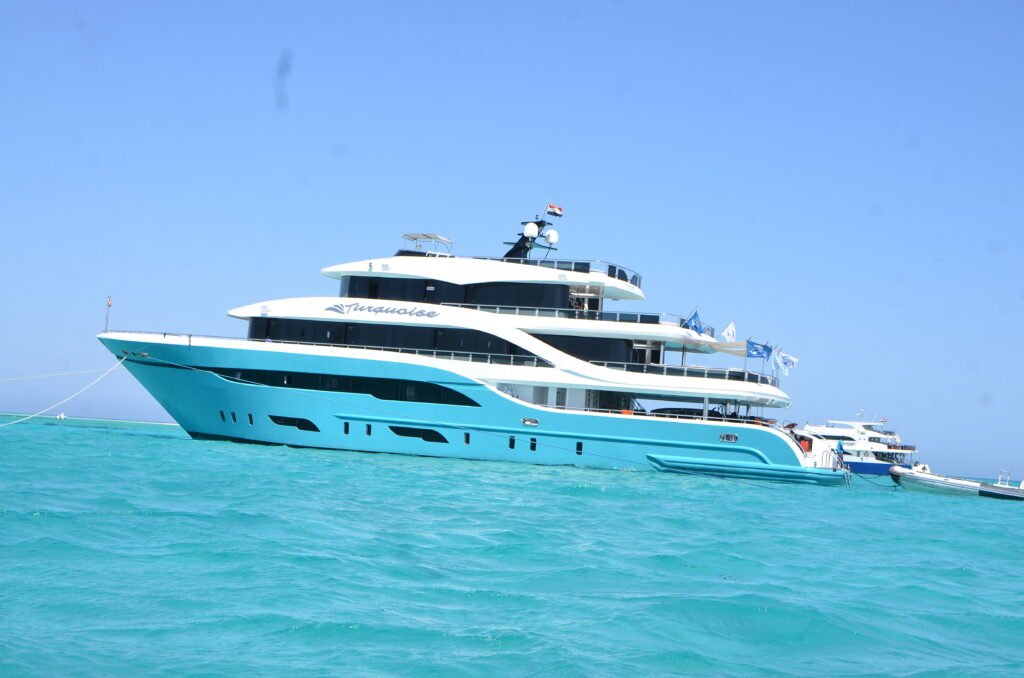
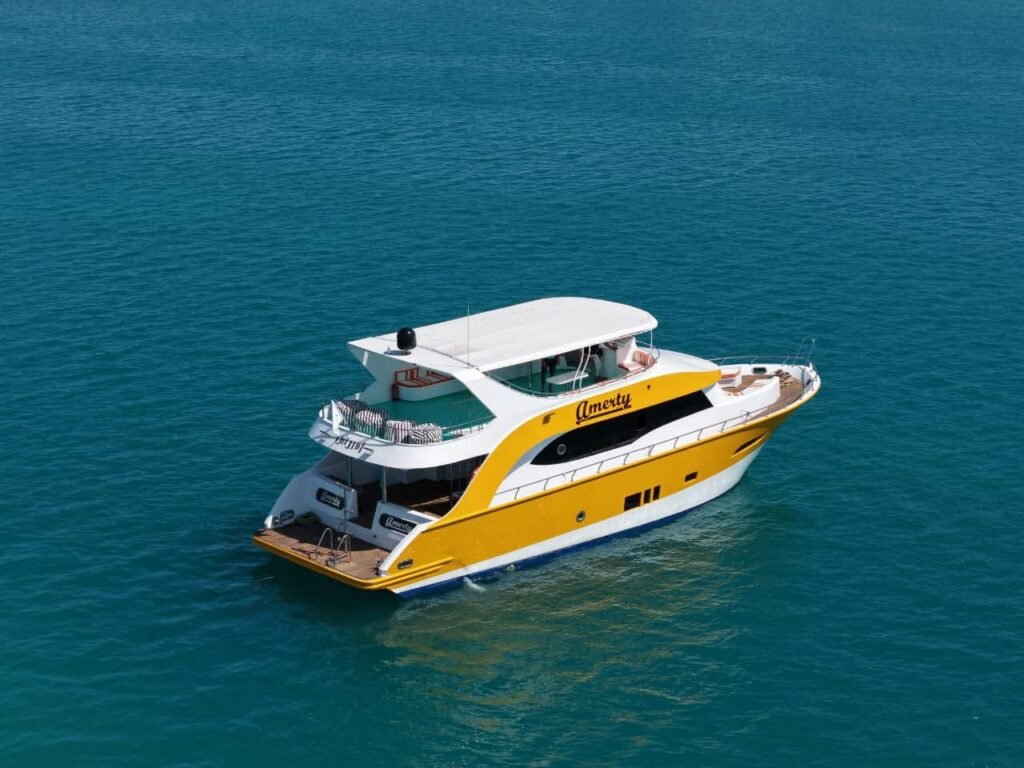
The Boat Trip: Yeah, duh — pickup from your hotel (usually shared minibus to the marina), then a full day out on the boat. You get your spot on the sundeck, water and basic soft drinks all day, and they take you to two different dive sites.
The Guiding: Two proper guided dives with a pro guide or instructor who knows every nook of the sites. They do the briefings, lead the group, point out the cool fish and corals. You’re not just dumped in the water alone.
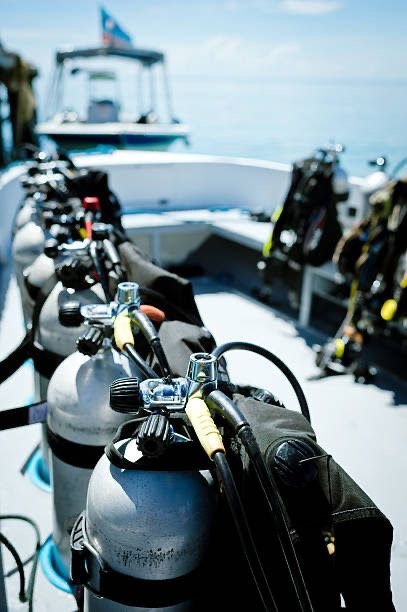
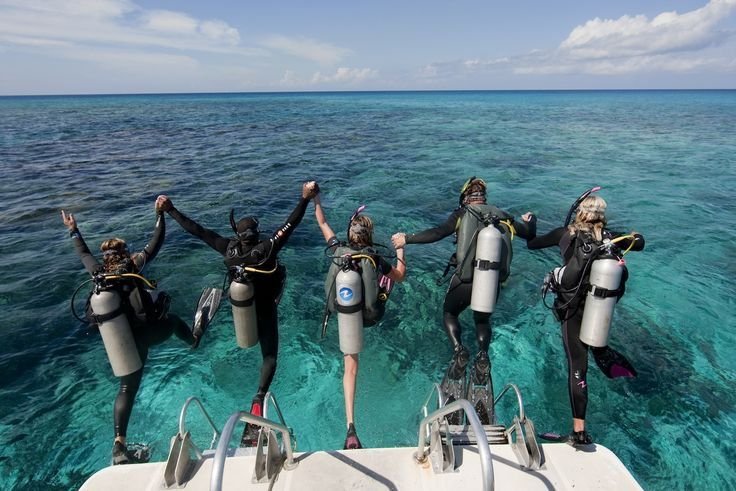
Full Gear Kit: This is the killer part — “full equipment included”. Means: 12L tank (aluminium usually), weights + belt, BCD, regulator setup (with console and octopus), wetsuit (shorty 3-5mm most seasons, longer in winter sometimes), mask, snorkel, fins. All provided, no extra hassle.
Lunch: Simple boat lunch but solid — pasta or rice, salad, some chicken or fish, bread. Nothing fancy like gourmet, but it fills you up good after dive one.
So yeah, the main stuff is genuinely covered. No big hidden fees in the core experience.
The “Not-So-Inclusive” Bits: What They Don’t Always Shout About
Here’s the part where reality bites a little — these extras are super common and normal, but they almost never include them in the big €50 headline price:
Marine Park Fees: This is the main one that gets people! If you’re heading to Giftun Islands (which like 90% of trips do cuz they’re awesome), there’s a national park fee. It’s government money, not the dive shop keeping it. Right now in 2026/2026 it’s usually €5 to €15 per person per day (sometimes around $5-8 USD equivalent). Paid in cash (euros or Egyptian pounds) right on the boat. Always double-check if it’s included or not — ask before you pay!
Rental Upgrades: The basic gear is okay, but if you want a full 5mm or 7mm wetsuit in cooler months, a dive computer, nicer mask/fins, or especially Nitrox (enriched air) instead of regular air, that’s extra. Nitrox is popular and usually €10-15 per tank extra.
Little Extras & Tips: Snacks if you want more than lunch, fancy drinks beyond water/cola/tea, or buying souvenirs from the boat crew shop — all extra. And yeah, it’s normal to tip the guide and boat guys at the end if they did a great job. Bring small bills or euros for that, like €5-10 total is nice.
Is €50 a Fair Price? Let’s Do The Math.
Add the extras and your real day might land at €65-€75 total. Still a steal? Hell yeah — let’s rough it out like a bill:
Two guided boat dives with tanks and air: Easily €30-40 value if you think about it.
Full gear rental for the day: €25-30 separate usually.
Hotel pickup/drop-off: €5-10 easy.
Boat lunch + basic drinks + facilities: Another €10 or so.
Put it together yourself and you’re looking at €70-90 quick. The €50 deal is how dive centers pack the boat with lots of certified people, keep things efficient, and stay competitive. Those small add-ons like park fees let them advertise low without losing money.
Just plan for €65-70 in your head (cash for fees/tips), and you’ll have an amazing, no-drama day diving the Red Sea. No ugly surprises when it’s time to settle up. Bottom line: €50 is real, it’s fair, and it’s one of the best values out there — as long as you go in with eyes open. Smooth sailing from there!
If you want any tweaks (more casual, fix a typo, add a bit more rant lol), just say! 🚤
The CDWS, Safety Briefings, and Why This Stuff Matters Way More Than Your Fancy Mask
Look, I know when you’re planning a dive trip the first thing on your mind is probably the cool wrecks or the shark sightings, not some regulations or briefings. But trust me — in Hurghada (and the whole Red Sea really), this safety stuff is what actually keeps everything fun and not turning into a bad story.
This part is all about the real deal behind safe diving here: what the Chamber of Diving and Water Sports (CDWS) actually does, how the safety briefings go down before you jump in, and why sticking to decompression rules and using your dive computer properly is non-negotiable. Especially as a certified diver, you’ll notice these things are taken seriously at good centers — it’s not just paperwork, it’s what makes the difference between a chill day and potential headaches (or worse).
Egypt’s got its own governing body for diving — the CDWS — and they set the rules everyone has to follow if they want to stay legal and insured. Think mandatory medical questionnaires (no, you don’t always need a full doctor’s cert if you’re healthy, but you gotta fill the form honestly), signal buoys on dives, depth limits based on your cert level (usually max 40m recreational unless you’re trained deeper), and regular audits on boats and centers. It’s all to keep standards up and accidents down in a place that sees thousands of divers every year.
The briefings? They’re short but solid for certified folks — quick run-through of the site, currents to watch, entry/exit points, hand signals reminder (yeah even pros forget sometimes), emergency procedures, and the plan for the day including no-deco limits. No long classroom vibes like in training; just practical stuff so everyone’s on the same page.
And decompression — man, follow your computer religiously. Red Sea sites tempt you to stay deep chasing that Napoleon wrasse or eagle ray, but pushing no-deco limits is dumb. Most guides enforce safety stops (3-5 mins at 5m usually, longer if your computer says so), and good centers won’t let you ignore it. It’s boring maybe, but it’s what keeps DCS risk low and lets you dive again tomorrow without issues.
Bottom line: these “boring” rules and briefings aren’t there to ruin your vibe — they’re why diving in Hurghada is generally super safe and enjoyable year after year. Skip the sketchy operators who rush through or ignore them, and you’ll have zero regrets.
Yeah, wanna keep going? I can write the H3 subs like you said — 3.1 on what CDWS really does, 3.2 what a typical safety briefing feels like for certified divers, and 3.3 why deco limits + computers are your best friends here. Just say the word! 🌊
The Role of the Chamber of Diving & Water Sports (CDWS)
Okay, let’s clear up this CDWS thing you see stuck on every decent dive shop window in Hurghada. Chamber of Diving and Water Sports — sounds super official and kinda boring, right? But honestly, it’s one of the best things going for divers here in Egypt.
Think of it like the strict but fair referee for the whole Red Sea diving scene. It was set up by the Egyptian government (through the Ministry of Tourism) back in the day to stop the Wild West chaos and make sure everyone plays by real safety rules. No CDWS license? No filling tanks, no running boats, no hiring guides — full stop. It’s not some optional club; it’s straight-up required by law if you wanna operate legally.
What do they actually handle day-to-day? Stuff like:
Laying down the basics: Every boat needs oxygen kits, first aid gear, enough life jackets, working radios, etc. They set staff-to-diver ratios (like how many certified people one guide can take), and everyone on staff has to have current certs and keep them up to date.
Random checks: Inspectors literally show up out of nowhere at the marina, hop on a boat, and poke around. Tank stamps current? O2 kit serviced and full? Crew papers in order? They dig through logbooks like detectives. If something’s off, big trouble.
Dealing with licenses and problems: Every legit boat and center has a CDWS number. If you run into a real safety issue or sketchy operation, you can report it to them — they can actually shut the place down or suspend the license, which kills their business fast.
For you as a diver, that little CDWS sticker/logo is your quickest way to spot a real operation versus some shady pop-up. It doesn’t mean you’ll get luxury service or gourmet lunches, but it does mean someone’s watching the fundamentals — equipment, ratios, emergency stuff — so you’re not rolling the dice with cowboys. Stick to CDWS-approved spots (most good ones in Hurghada are), and you’re way safer. I’ve seen the difference on trips; the legit ones just feel more solid from the start.
Your Safety Briefing: What to Expect Before the Dive
Hands down, the most important 10-15 minutes of your whole day: the pre-dive briefing. This isn’t the guide rambling about pretty fish — this is the CDWS-required rundown that happens before EVERY dive. If it’s super rushed, half-assed, or straight-up skipped? Walk away, seriously — red flag city.
A solid one (what you get at good centers) usually goes like this, often with a quick map or whiteboard sketch:
The plan: Where you enter/exit the water, max depth for the day (based on the group’s lowest cert level), how long you’ll be down, the rough route (“we’ll drift along the wall, swing over the sandy bit to the fan coral area”).
Buddy stuff: They remind you to do a proper BWRAF check (BCD, Weights, Releases, Air, Final OK) with your buddy. Quick refresh on key hand signals — OK, problem, out of air, up, down, etc. Even if you’ve done it a million times.
What if shit hits the fan: Super important part. “If you lose the group? Look for one minute, then surface safey.” They’ll point out the SMB (surface marker buoy) carrier, where the boat is parked relative to the site, and how recall works (usually banging on the tank or something).
Site dangers: “Current’s pushing north-south today, so we’ll ride it.” “Fire coral patches on the shallow top — don’t brush it.” “Exit’s over that bumpy table coral ledge, watch your fins.”
Eco reminder: Quick Green Fins shout-out — no touching corals, no gloves usually, nail your buoyancy, don’t feed anything. (Egypt pushes this hard now to protect the reefs.)
Your part? Actually pay attention. Yeah, even with 500 dives. Nod, ask if unclear (“Ascent rate 9m/min cool?”), do the buddy check for real. This turns a random boat full of strangers into a proper team that knows the drill. Miss it or ignore it, and small problems turn big fast.
Adhering to Decompression Limits and Dive Computer Use
This is where it gets real — no-deco limits and computers aren’t just theory anymore when the Red Sea visibility is insane and everything looks so inviting. Warm water, epic walls… super easy to creep deeper or stay longer chasing that one eagle ray. But that’s exactly why good CDWS ops hammer this home.
How it usually works:
The guide plans a conservative profile that keeps everyone well inside no-decompression limits (NDL), especially for the least experienced in the group. They’ll have their own computer, watch the group’s depth/time roughly, and call the ascent when it’s time (or when their computer says).
But here’s the big one — YOUR job: You watch YOUR computer like it’s your life (because it kinda is). Don’t just follow the guide blindly if they drop below your cert limit (Open Water? Stick to 18m max usually; Advanced? 30m; Deep specialty? 40m cap for rec diving per CDWS rules). If the plan feels pushy for you, speak up BEFORE jumping in.
Common rules at pro centers:
“Rule of Thirds” for air — 1/3 out, 1/3 back, 1/3 reserve.
Mandatory safety stop: 3-5 mins at 5m, even if your computer clears you earlier. Often they drop a line or buoy for it so everyone hangs together.
Ascent slow (9-18m/min max), no yo-yo-ing.
Bottom line: CDWS makes sure the center gives you a safe framework — good planning, enforced basics, emergency gear. But as a certified diver, you’re the last line of defense for your own body. Trust your training, your computer, and that little voice saying “maybe not chase the turtle to 35m.” Skip the ego, follow the limits, and you’ll dive again tomorrow without any decompression drama. It’s boring until it’s not — better safe than sorry in paradise.
If you want tweaks or the next section, hit me! 🌊
A Day on the Red Sea: Your Typical 2-Dive Trip Itinerary
Alright, let’s get real about what a full day actually feels like when you’re doing two boat dives in Hurghada. From that annoying early alarm to crashing back at your hotel feeling wiped but super happy. This is the no-BS walkthrough based on how most trips roll — so you can pack smart, know the flow, and just enjoy without surprises. Times are approximate cuz it depends on the center, weather, and how far the sites are, but this is the standard vibe for certified divers in 2026.
Morning Schedule: Pickup, Check-In, Gear, and First Dive
It kicks off early — pickup usually between 7:00 and 8:00 AM from your hotel lobby in a shared minibus (sometimes they text the exact time the night before). Don’t sleep in; these guys stick to the clock or the good sites fill up.
At the marina, you hop into the dive center office: show your cert card and logbook (they glance quick), sign the usual stuff (medical questionnaire if not done online, liability waiver), and pay any extras like park fees (cash euros or EGP, around €5-15).
Then gear time — staff helps you grab a fitting wetsuit, BCD, regs, fins, mask. Quick tip from experience: on the boat before leaving, test your regulator (breathe a few times) and make sure the BCD inflates/deflates smooth — saves headaches later.
Boat leaves around 8:30-9:00 AM usually. Once everyone’s aboard and we’re moving, the main guide does a quick welcome chat: boat rules, where the heads are, emergency exits, rough plan for the day.
Cruising to site one takes 30-90 minutes depending — chill on deck, sun’s up, coffee/tea/water flowing. About 20 mins out, your guide rounds up the group for the first proper briefing: site map sketch, entry/exit (often backward roll), max depth, route, expected critters (morays, napoleons, maybe turtles). Gear up, buddy check, then splash! First dive’s magic — 45-55 mins usually.
Rough morning timeline (super common schedule):
| Approximate Time | Activity | Key Details |
|---|---|---|
| 7:00 – 8:00 AM | Hotel Pickup | Shared minibus — have your cert, logbook, cash ready. Don’t be late! |
| 8:15 – 8:45 AM | Check-In & Gear Up | Sign papers, pay fees (park etc.), get fitted for full gear. |
| ~9:00 AM | Boat Departure | Cast off, general boat safety briefing while heading out. |
| During Cruise | First Dive Briefing | Detailed site plan: depth, route, entry/exit, hazards, cool stuff to spot. |
| ~10:00 – 11:00 AM | First Dive | 45-55 mins underwater — enjoy! |
| 11:00 – 11:30 AM | Surface & De-kit | Back on boat, rinse quick, log your dive while fresh, hang wetsuit to dry. |
Surface Interval: Lunch, Chill, and Heading to Dive Two
Back on board, you’re buzzing from the first one. Log your dive right away (depth, time, air used, what you saw — trust me, details fade fast). Rinse with the freshwater shower on deck, hang gear to dry a bit.
Now the mandatory surface interval — 60-90 mins minimum (sometimes longer if deeper dives) to off-gas nitrogen safely. This is your break:
Drink tons of water — sun + salt + breathing dry air = dehydration city.
Eat lunch — buffet style, usually pasta/rice, chicken/fish, salads, bread, fruit. Nothing gourmet but hits the spot after burning energy.
Relax — sunbathe, chat with the group (divers always have stories), nap in the shade, watch the sea. No booze — obvious reason.
Crew announces when we’re nearing site two. Quick second briefing (similar to first but for the new spot), gear up again, buddy check, and splash for round two. Often shallower or a drift, feels more relaxed after the morning one.
Afternoon Dive, Wrap-Up, and Ride Home
Second dive’s usually 40-50 mins — you’ve got the hang of it now, maybe spot different stuff like a reef shark or eagle ray if lucky.
After surfacing, final climb aboard. Mood’s tired-happy; everyone’s smiling, comparing notes. While heading back to marina (another 45-60 mins cruise), rinse your personal gear properly (regs, BCD in the rinse tanks — coil hoses neat), pack your bag. Heavy stuff like tanks/weights the crew handles and washes.
Quick debrief at the end: guide asks how it was, points out highlights, reminds you no flying for 18-24 hrs, drink water, watch for DCS signs. Grab your stuff, hop on the same minibus, back to hotel usually 4:00-5:00 PM.
Bottom line: It’s a long, full day — early start, lots of sun, two epic dives, good food, new buddies maybe — but totally worth it. Know the flow, bring sunscreen/hat/water bottle/reef-safe stuff, and just soak it in. You’ll come back salty, sunburnt, and already planning the next one.
If you want pics of typical boats or sites to visualize, or tweaks to this, lemme know! 🌊
Top Red Sea Dive Sites Accessible on Standard Trips
Now we’re getting to the good part — the actual underwater magic that makes dragging yourself out of bed at dawn totally worth it. When you book a regular 2-dive day trip from Hurghada (the kind most certified divers do for €50-ish), the boat heads to spots that are reachable in 30-90 minutes, no crazy long sails needed. These are the classic reefs, walls, and wrecks that keep people coming back year after year.
The exact sites depend on weather, currents, how crowded they are that day, and what the guide thinks will be best for the group (they rotate to avoid overuse), but here’s the lineup of what you’ll most likely hit on a standard trip in 2026. These are all super popular for daily boats — vibrant corals, tons of fish, and easy enough for most certified levels while still feeling epic.
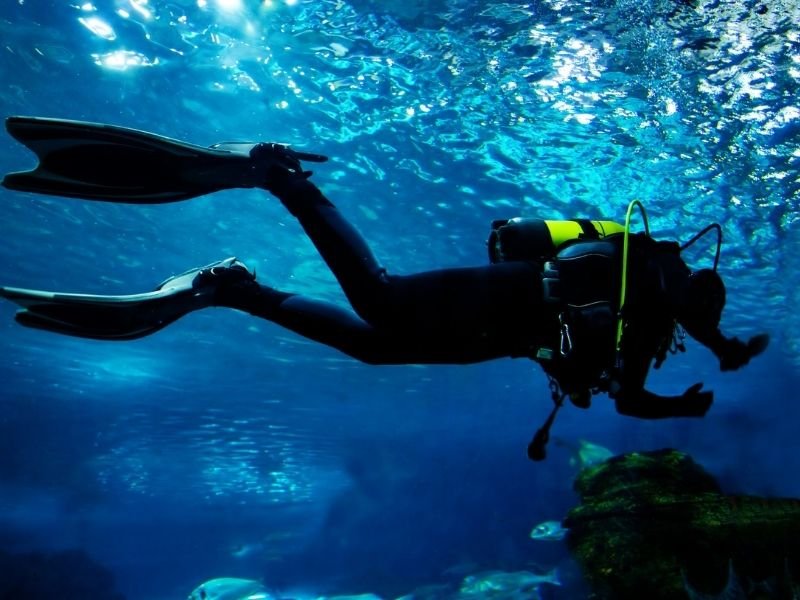
Giftun Islands (Big & Small Giftun) – The Go-To Favorites
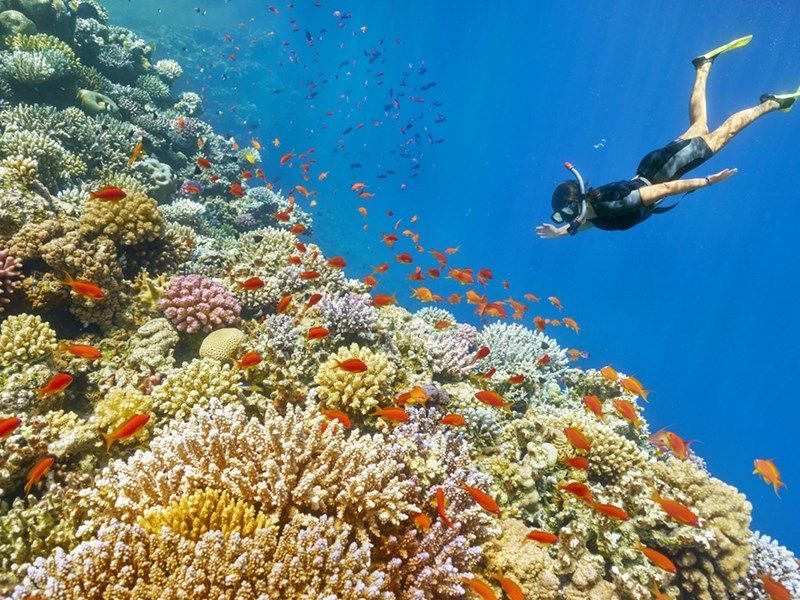
If there’s one area that shows up on almost every day trip, it’s the Giftun Islands National Park. Super close (often first stop), crystal-clear water, and insane coral gardens.
Big Giftun — Think sloping walls, drop-offs, and drifts with soft corals everywhere. You might see bannerfish schools, clownfish in anemones, moray eels poking out, and if lucky a turtle or two cruising by. Sites like Shaab Pinky or Torfa El Shahed are common — colorful, relaxing, great for photos.
Small Giftun — Often quieter since it’s a marine reserve now, healthier reefs, more fish life. Perfect for a chill second dive.
Visibility is usually 20-30m+, and depths stay recreational (10-25m mostly). Beginners love it, but certified folks appreciate the freedom to explore a bit more.
hurghada Red Sea location for diving
Abu Ramada Island (aka “The Aquarium”)
This one’s a staple — a long reef with plateaus, caves, and swim-throughs. North Abu Ramada is killer for drifts: mild current, big schools of fusiliers and bannerfish, sometimes barracudas or jacks patrolling. South side has more coral variety and hiding spots for nudibranchs or lionfish.
It’s called “Aquarium” for a reason — packed with colorful reef fish, parrotfish crunching away, and that classic Red Sea vibe. Depths 5-30m, so good for all levels, and often paired with Giftun for a perfect two-dive day.
Careless Reef & Fanadir
These are closer to shore (quick sail), so great backups when wind picks up or for calmer days.
Careless Reef — Famous for its pinnacles and the “cleaning station” where fish line up for cleaner wrasses. Napoleon wrasse hang out here (they’re huge and curious), plus turtles sometimes. It’s shallow-ish but full of life — feels like a natural aquarium.
El Fanadir (North/South) — Easy reefs with gardens of hard and soft corals, triggerfish, butterflyfish, and occasional eagle rays. North has more structure, South is drift-friendly. Super beginner-friendly but still rewarding for experienced divers who just want a relaxed dive.
Other Common Hits (Wrecks & Specials)
Not every trip hits wrecks (some are farther north), but if your boat goes for variety:
Abu Nuhas Wrecks — The “graveyard” with Giannis D, Carnatic, etc. — haunting ships covered in corals, swim-throughs on decks, fish everywhere. Advanced-ish due to depths (15-30m) and penetration, but guides keep it safe. Not daily for everyone, but pops up sometimes.
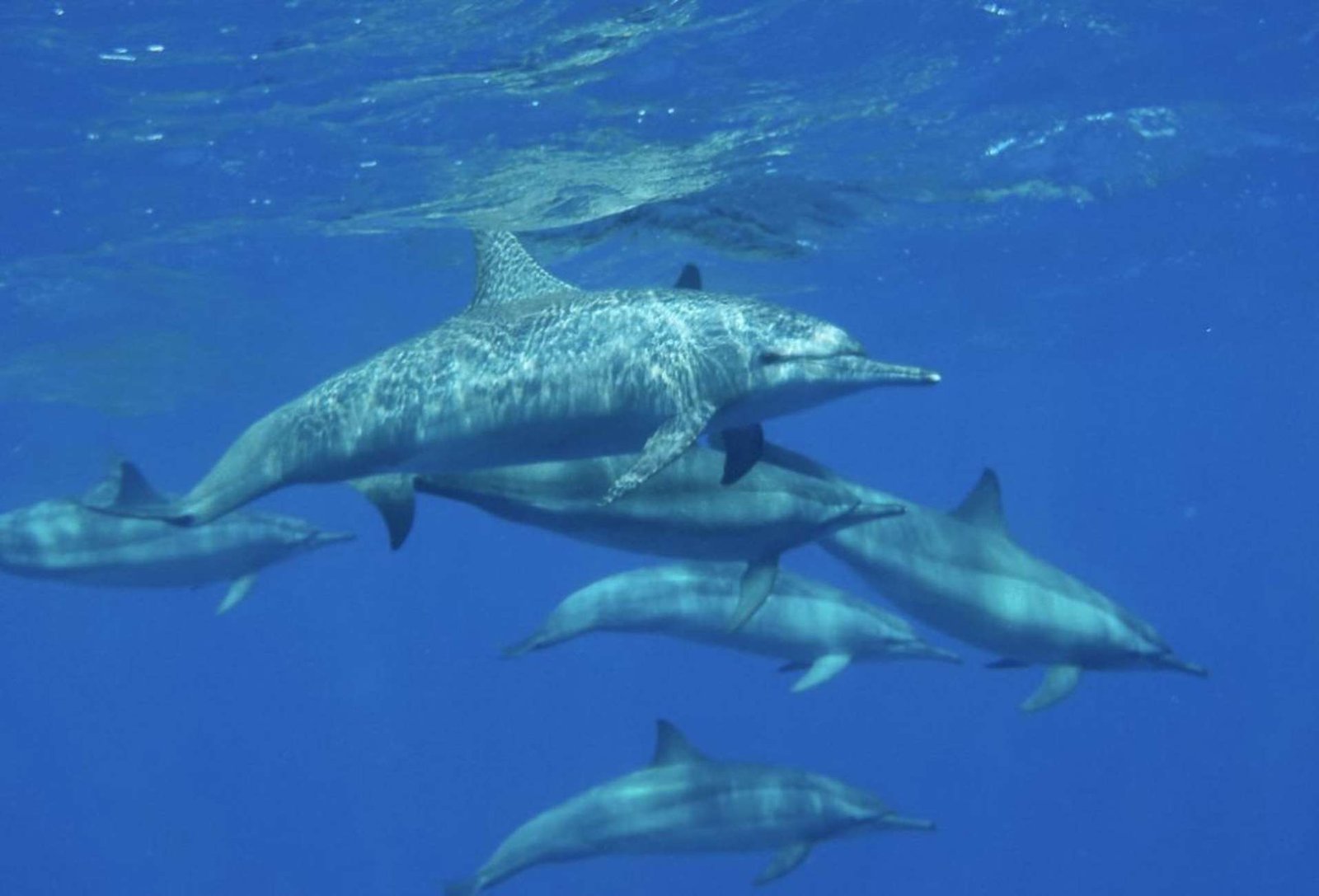
Shaab El Erg (Dolphin House) — Shallower lagoon area famous for spinner dolphins (if they show). More snorkel-y but great dives too — calm, turtles, rays.
Umm Gamar or Erg Sabina — Occasional — walls, overhangs, bigger pelagics possible.
Bottom line: On a standard 2-dive trip, expect a mix of one “wow” reef like Giftun or Abu Ramada and one easier/more scenic spot. The guides pick based on conditions — they want you to see the best without fighting bad currents or crowds. Bring your camera (or GoPro), nail your buoyancy, and just enjoy — these sites are why the Red Sea is legendary.
Which one sounds like your favorite? Or want me to dive deeper (pun intended) into any specific site? 🌊
Marine Life Encounters: What You Can Actually Spot on Dives Around Hurghada
Man, the Red Sea around Hurghada is like nature turned the volume up to 11 underwater. Every dive feels like walking into a living aquarium — stuff swimming everywhere, colors popping, and you never know what’s gonna show up next. On a standard 2-dive day trip to places like Giftun, Abu Ramada, or Careless Reef, here’s the realistic rundown of what you’re likely to see (based on what I’ve seen and what most divers report in 2025/2026 trips). From the everyday crew to the “holy crap” moments.
The Stuff You’ll See on Pretty Much Every Dive These guys are basically the locals — they’re always around, no matter the site:
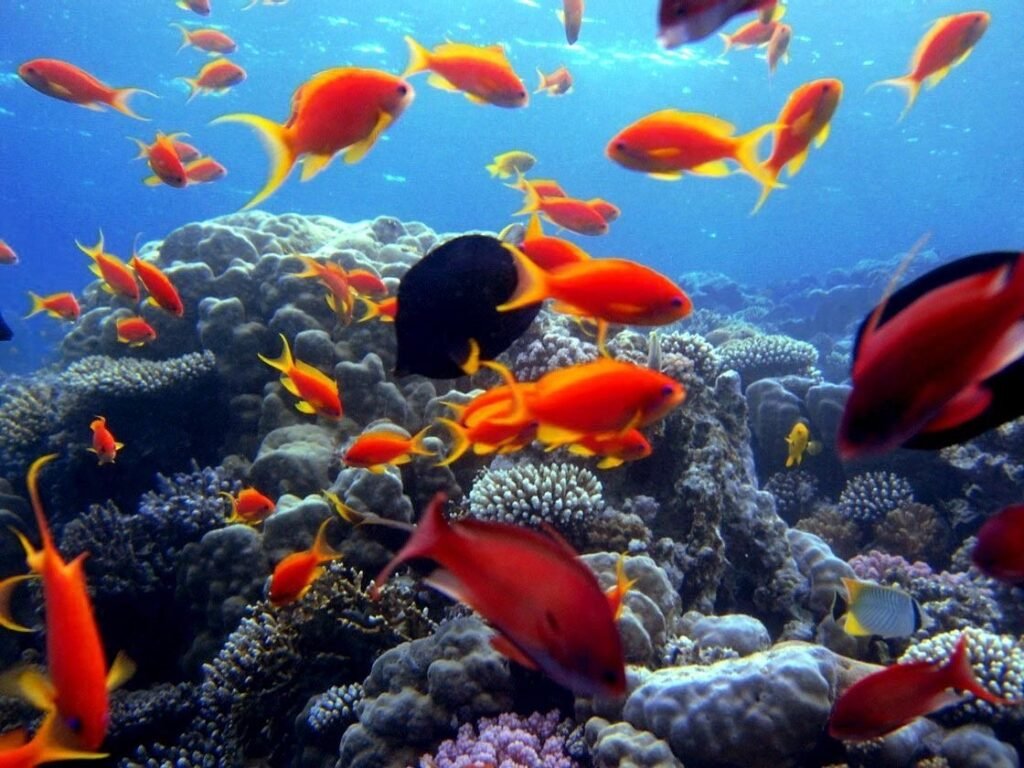
Clouds of anthias and fusiliers swirling like confetti whenever you look up.
Parrotfish chomping away at the coral, making that crunch-crunch sound you can actually hear.
Butterflyfish and angelfish darting around, clownfish peeking out of anemones (they’re feisty little things).
Moray eels — usually just heads sticking out of holes, staring at you like grumpy old men.
Napoleon wrasse — these big, goofy blue-green giants cruise by slow and curious, sometimes close enough to high-five (don’t though).
You’ll get so used to them that by dive two you’re like “oh yeah, another napoleon.”
The Pretty Common Sightings (Most Trips Have at Least a Few) These pop up a lot, especially if the guide knows where to look:
Blue-spotted stingrays chilling half-buried in the sand — super chill unless you spook them.
Lionfish — those fancy venomous fans just hovering like they own the place (stay clear, obviously).
Hawksbill turtles — gliding over the reef like slow-motion birds. You see them regularly, especially on shallower sites; sometimes they munch on sponges right in front of you.
Bigger fish in the blue: barracuda hanging like silver missiles, jacks schooling, maybe a tuna flashing by.
The “If You’re Lucky” Moments (Not Every Day, But Totally Possible) These make the trip legendary:
Reef sharks — mostly whitetips or grey reefs cruising the outer walls/drop-offs (Giftun or Abu Nuhas sides). They’re usually shy but harmless — just keep your distance and enjoy the show.
Dolphins — you’ll spot them from the boat way more often than underwater. If they decide to play near the boat or you get super lucky on a drift, it’s one of those pinch-me moments.
Eagle rays — majestic black diamonds flapping through the water. Less common but when one cruises by, everyone loses it.
Octopus or cuttlefish changing colors like living mood rings — sneaky and smart.
The Hidden Gems (Guides Are Gold for These) Slow down, look close, and listen to your guide — they spot the masters of disguise:
Scorpionfish and stonefish blending perfectly with rocks (don’t step on ’em!).
Crocodilefish or leaf fish looking exactly like coral rubble.
Nudibranchs — tiny, wild-colored sea slugs that look like aliens.
Pipefish or seahorses hiding in sea fans if you’re really paying attention.
Year-round the water’s warm (24–30°C depending on season), so the life’s active all the time — no real “off season” for sightings. Just keep your eyes peeled in every direction: up for schools, down for rays/turtles, into the blue for pelagics, and close on the reef for the camouflaged weirdos.
Pro tip: Don’t chase anything — let them come to you, stay calm, and your guide will point out 10x more than you’d spot alone. Those “did you see that?!” moments with the group are half the fun.
..
How to Book and Secure the Best Daily Dive Deals
Booking a dive trip in Hurghada can be dead simple or a bit of a hunt — depends how much you wanna put into it. If you’re the type who plans everything months out, or the last-minute kind who shows up and figures it out, knowing your options and asking sharp questions usually lands you the best price and the smoothest day. Here’s the real talk on how to do it right without getting ripped off or stuck on a crappy boat.
Booking Online vs. In-Person: Pros, Cons, and What Actually Works
Basically three ways most people book: straight with the dive center, through a big platform, or just walking in once you’re there. Each has its ups and downs.
| Booking Method | Pros | Cons | Best For… |
|---|---|---|---|
| Direct with a Dive Center (website, WhatsApp, email) | Usually cheapest — no middleman cut Can ask for custom stuff or group deals Build rapport for repeat discounts | Takes effort to check if they’re legit Payment sometimes sketchy (bank transfer or cash on arrival) | People who research hard and want rock-bottom prices |
| Big Global Platforms (GetYourGuide, Viator, PADI Travel) | Reviews you can trust, easy side-by-side comparison Safe payment, often free cancel up to 24 hrs English support, instant booking | Price bumped up 10-20% for the platform fee Less direct chat with the actual center before you pay | First-timers, people who hate uncertainty, or anyone who wants buyer protection |
| In-Person Once You’re in Hurghada | Haggle power — especially for multi-day or last-minute spots See the shop, meet the staff, inspect gear yourself Easy to book for tomorrow or the next day | No spots left in high season (June-Aug especially) Walking around in the heat visiting 3-4 centers sucks Harder to ask detailed questions ahead | Spontaneous folks on longer trips, or people hunting multi-day packages after arrival |
Quick tip: For online direct bookings, hit up Google Maps + TripAdvisor for recent reviews (look for 2025/2026 ones). Always confirm the center has that CDWS sticker/logo — it’s the bare-minimum safety stamp in Egypt.
Finding Last-Minute Deals and Seasonal Discounts (Real 2026 Calendar)
Timing is everything if you want to save cash. Demand pushes prices up and down like crazy here.
Shoulder & Low Season Wins: November–February is prime for deals and empty boats. Water’s cooler (22-25°C), so bring/rent a thicker wetsuit (5-7mm), but visibility is often insane and sites are quiet. March–May and September–October are the sweet spot — good weather, solid prices, fewer crowds, and better shot at bigger stuff like whale sharks (peak April–June-ish).
The Multi-Day Package Trick: Hands-down the best “deal” year-round. Single day two dives might be €50, but commit to 3 days and it drops to €21-€23 per dive easy. Go 5–7 days and I’ve seen €18-€20 per dive. If you’re staying a week or more and plan to dive a bunch, always ask for the package rate — centers love filling boats consistently and cut prices big time for it.
Last-Minute Hustle: Already in town? Swing by centers in the late afternoon/early evening the day before. They hate empty spots on the boat, so weekday cancellations or slow days often mean discounts (€40-€45 instead of €50). Be flexible on sites and say you’re certified with recent dives — shows you’re low-maintenance.
Peak summer (June–August) is busiest and priciest — avoid if you’re hunting bargains.
Essential Questions to Ask Before You Hand Over Any Money
Price is one thing, but bad details ruin the day. Hit them with these — good centers answer quick and clear; dodgy ones dodge or get annoyed.
Is €50 the absolute final price, or are there extras I have to pay on the boat?” Why: That “from €50” almost always excludes park fees (€5-€15 cash on boat). Confirm gear, lunch, hotel pickup/drop-off (most Hurghada hotels are covered) are in. If you haven’t dived in 6+ months, ask if they force a refresher (€50-€80 extra sometimes).
What’s your guide-to-diver ratio, and how many people max on the boat?” Why: 1:4 to 1:8 is normal for certified groups. Over 10-12 total feels crowded and less safe/personal. Ask this — shows you care about quality.
Which sites are you planning tomorrow, and what’s the backup if weather/current changes?” Why: Pros name real sites (Giftun, Abu Ramada, Careless usually) and have Plan B. Vague answers = red flag.
Can I check the gear beforehand, and what’s extra for Nitrox, computer, thicker wetsuit?” Why: Standard kit’s included, but Nitrox €10-€15/tank, computer rental €5-€10/day, full wetsuit in winter extra. Better know now than get surprised.
Bottom line: Best combo is usually booking a multi-day package direct with a solid, well-reviewed CDWS center during shoulder season. Do a little homework, ask these questions, and you’ll score great value without the headaches. The Red Sea’s worth it — don’t let a bad booking kill the vibe.
Yeah, this feels like a strong wrap-up for the booking section. Ready for the next one — “Maximizing Your Experience: Pro Tips for Certified Divers”? Or want any tweaks here first? 🌊
Maximizing Your Experience: Pro Tips for Certified Divers
Getting the absolute most out of your Red Sea dives isn’t just about jumping in the water — a bit of prep and smart choices can turn a solid day into one you’ll talk about for years. Here’s the stuff I’ve picked up from actual trips (and a few rookie mistakes) that make a real difference for certified folks.
Preparing for Your Trip: Logbook, Cert Card, and That Damn Medical Form
Rule number one: don’t wing this part. Hit up your dive center on WhatsApp a week or two before you fly — ask exactly what they need. Good ones want digital copies of everything upfront so there’s no drama at the marina.
Certification Card (C-Card): Bring the real thing or a clear phone pic/PDF. PADI, SSI, NAUI, whatever — as long as it’s current and not expired. They check it every single time.
Logbook: Not always forced for one day, but it’s gold. If your last dive was ages ago (6–12 months+), lots of centers will push a quick check dive or full refresher (€50–€80 extra). Showing your logbook with recent entries usually skips that hassle and proves you’re not rusty.
Medical Questionnaire: Fill out the standard one (PADI/SSI style) honestly before you go. “Yes” to asthma, heart stuff, ear issues, etc.? Get a doctor’s clearance signed — no shortcuts, they won’t let you dive without it on the boat. I’ve seen people turned away mid-morning because of this.
Quick extra: Grab travel insurance that actually covers scuba (not just “adventure activities”). Centers have strict no-refund policies for weather/no-shows, so insurance saves your ass if flights get delayed or you get a cold.
Choosing the Right Dive Center: Don’t Just Chase the Lowest Price
Cheap is tempting, but a crap boat or overcrowded group kills the vibe fast.
CDWS Certified + Agency Ties: Stick to places with the CDWS logo and instructors/guides from PADI/SSI etc. That’s your safety baseline in Egypt.
Guide Ratio: Ask straight up — 1:4 to 1:8 is normal for certified groups. Over 10 people total on the boat feels rushed and less fun. Smaller groups = more attention, better spotting of hidden critters.
Boat & Comfort Stuff: Skim recent Google/TripAdvisor reviews (2025/2026 ones). Look for mentions of: clean shaded deck, decent toilets, good lunch (not just dry bread), fresh water showers. A comfy boat makes the surface interval actually relaxing.
Communication: English-speaking staff (or your language) is huge for briefings. WhatsApp groups for updates are common — sign up early.
Enhancing Your Dive: Underwater Photography and Not Wrecking the Reef
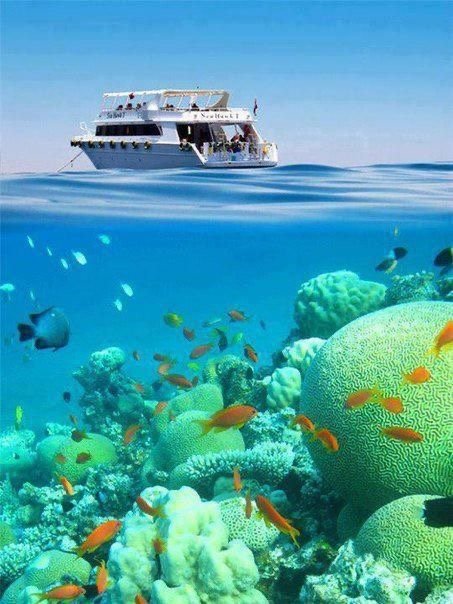
The Red Sea begs for photos, but you gotta do it right or you just end up with blurry blue blobs and pissed-off corals.
- Photography Quick Hits: Go simple — Olympus TG series, GoPro Hero, or phone in a case. Nail buoyancy first (hovering = no sand storms). Get close (within 1–2 m) to beat backscatter and color loss. Red filter or small strobe brings back the pinks/oranges. Shoot in RAW/burst if you can. And yeah, practice in a pool first if you’re new to it.
- Eco Stuff That Actually Matters: These “Super Corals” are tough but still fragile — climate change is hitting hard.
- Buoyancy is king — one fin kick on coral = dead patch. Hover like a pro.
- Hands off everything — no touching, no chasing turtles, no feeding fish (even if guides sometimes do it quietly).
- Reef-safe sunscreen only (chemical ones kill corals).
- Bonus: Download the “Reef Check” or similar app to log sightings — some operators feed data to conservation groups.
Do this right and you’re not just a tourist — you’re helping keep the place alive for the next dive.
Final Verdict: Is the Hurghada €50 Certified Diving Package Worth It?
Straight up — yes, for most certified divers it’s a screaming deal, but let’s break it down honestly with the latest 2026 prices so you know if it’s your jam right now (as of January 2026).
2026 Price Comparison: Hurghada vs. Sharm vs. Marsa Alam
Your cash stretches furthest in Hurghada — it’s still the value king.
| Destination | Vibe & Focus | Price Point & Key Advantage (2026) |
|---|---|---|
| Hurghada | Busy, easy access, killer reefs + some wrecks. Great for mixing diving with beach/resort life. | Best bang-for-buck. Standard 2-dive day trip with full gear around €45–€65 (often €47–€50 advertised, plus €5–€15 park fee). Multi-day packages drop to €18–€23 per dive. Cheaper hotels/courses too. |
| Sharm El-Sheikh | The “classic” spot — Ras Mohammed pinnacles, Thistlegorm wreck access. More polished scene. | Higher prices. Similar 2-dive boat trips €70–€90+, single reef dives €50–€60. More upscale, so overall costs more. |
| Marsa Alam | Quiet, remote, pristine. Pelagics (sharks/dugongs), untouched reefs — advanced diver heaven. | Variable/expensive. Daily trips less common; longer rides/liveaboards needed for best sites, often €70+ per day or higher for packages. Less crowded but pricier logistics. |
Hurghada wins on affordability and convenience unless you’re after specific advanced or super-remote spots.
Who This €45–€65 Package Is Perfect For (And Who Should Skip It)
Spot-on for:
- Budget certified divers who want epic reefs without breaking the bank (still one of the cheapest world-class spots).
- Solo travelers — jump on a boat, meet people, get guided dives, no hassle.
- Groups — multi-day packages drop to €18–€22 per dive; 8+ people can often negotiate extras like a free spot.
- Flexible holiday makers — dive one day, chill the next, no commitment.
Not ideal if:
- You only want far-off wrecks like Thistlegorm (needs liveaboard from Hurghada or Sharm).
- You crave super-remote, uncrowded wilderness (Marsa Alam or liveaboards are better).
- You’re a total beginner (this is certified-only; DSD/intro is separate and €50–€90).
Quick Checklist Before You Hit “Book”
Run through this so nothing bites you later:
Before Booking
- Total cost clear? Asked if advertised price (€45–€65) includes everything or park fees (€5–€15 cash) extra?
- Inclusions locked? Gear, lunch, transfers, guide — all confirmed?
- Center checked? CDWS certified + fresh positive reviews (safety, boat, food)?
Before You Travel
- Docs ready? Sent digital C-card, logbook pages, signed medical (doctor note if needed).
- Insurance good? Dive-specific coverage + cancellation.
- Cash prepped? €20–€30 for fees, tips (€5–€10 total), Nitrox/computer if wanted.
Bottom line: For certified divers wanting vibrant, accessible Red Sea reef diving on a comfy boat day without spending a fortune — Hurghada’s €45–€65 package (call it €50 average) is legitimately one of the best deals going in 2026. Pick a solid CDWS center, prep your stuff, budget the extras, and go have the time of your life. The reefs are waiting.
👉 Tell me what you’re looking for:
- Family trip?
- Turtles?
- Relaxed day or full adventure?
I’ll point you to the right boat.