

Your cart is currently empty!
You may check out all the available trips and book one that suits you.
Continue Browsing Trips
CIntroduction to the Egyptian Red Sea
The Egyptian Red Sea, a stunning expanse of water located between Egypt’s eastern coastline and the Arabian Peninsula, serves as a vital geographical and cultural landmark. Stretching over 1,200 kilometers, this vibrant destination falls under significant geographical distinctions, marked by its unique geographic features, including deep trenches and expansive coral reefs. Its clear blue waters not only provide a breathtaking view but also host an incredible diversity of marine life, making it an attractive location for both recreational and scientific exploration.
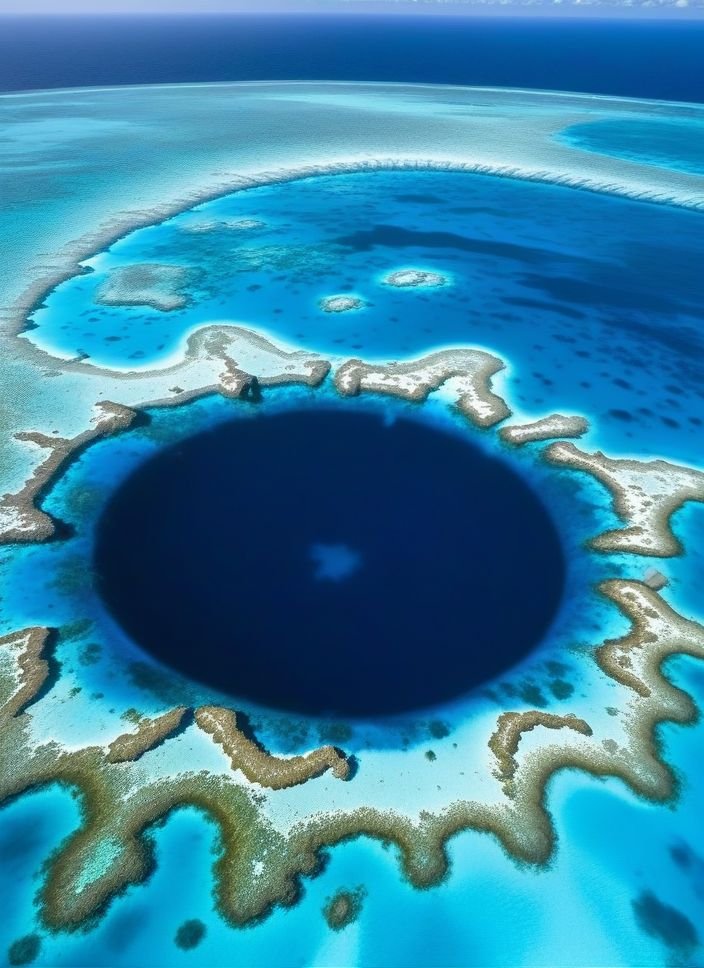
Historically, the Red Sea has been a critical waterway for trade and travel, connecting the Mediterranean Sea to the Indian Ocean through key maritime routes. Ancient civilizations, from the Egyptians to the Romans, recognized the strategic importance of this body of water, enabling commerce and cultural exchange across continents. Today, its historical relevance continues to resonate, particularly through archaeological sites found along the shoreline, linking past and present.
In contemporary times, the Egyptian Red Sea has transformed into a premier tourist destination, drawing millions of visitors each year seeking sun, sand, and adventure. Among its coastal resorts, Hurghada has emerged as a focal hub for luxury experiences. Renowned for its upscale resorts, fine dining options, and vibrant nightlife, Hurghada offers visitors unparalleled access to the breathtaking underwater ecosystems, perfect for snorkeling and diving. Visitors can relish both relaxation and adventure, from lounging on pristine beaches to embarking on thrilling excursions in the surrounding marine parks. As tourism flourishes, the Egyptian Red Sea continues to be a testament to nature’s beauty and a beacon for those in search of both leisure and exploration.
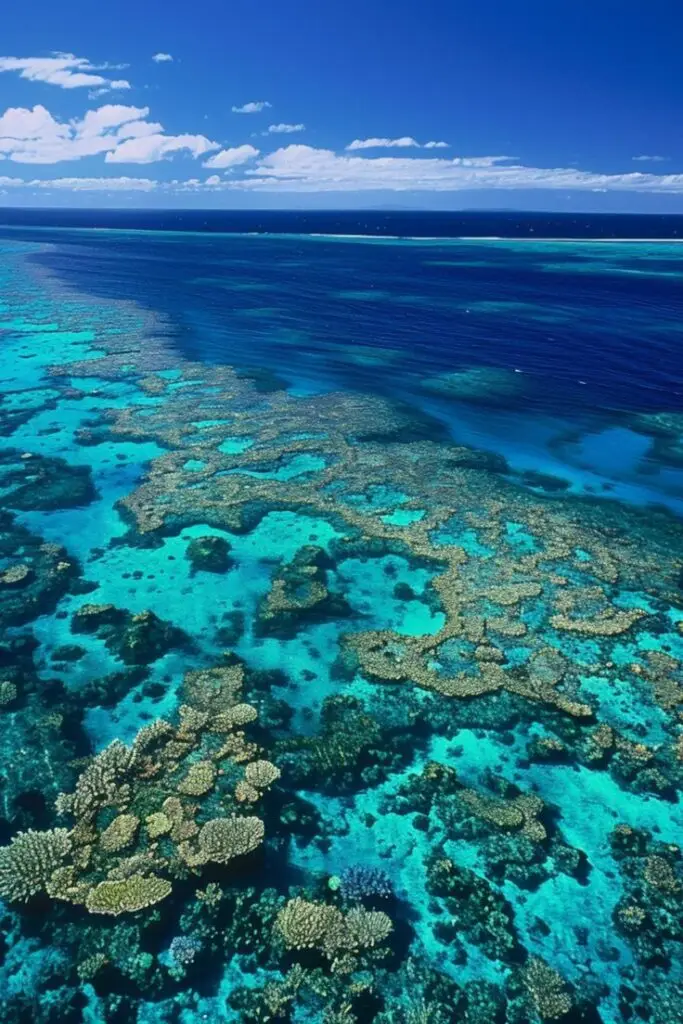
The Egyptian Red Sea coast stretches approximately 1,050 kilometers from the northern port city of Suez to the southern town of Shalateen. This diverse geographic expanse features a mix of bustling urban centers, serene vacation spots, and stunning natural formations. Key cities along this coastline include Hurghada, El Gouna, and Marsa Alam, each offering distinct characteristics catering to various interests.
The topography of the Egyptian Red Sea coast is defined by its rugged mountain ranges, including the Eastern Desert mountains, which rise steeply from the coastline. These mountains are juxtaposed against the crystal-clear waters of the Red Sea, creating a dramatic landscape. The coastal plain is marked by some unique features such as sandy beaches, coral reefs, and colored cliffs that highlight the natural beauty of this region. The area is also home to the renowned Ras Mohammed National Park, known for its spectacular underwater ecosystems.
The climate along the Red Sea coast is categorized as arid, characterized by hot summers and mild winters. Temperatures can reach high levels, particularly during the summer months, often surpassing 40°C (104°F). The region receives minimal rainfall, and the dry air contributes to a pleasant year-round holiday destination. The coastal area enjoys abundant sunshine, making it ideal for activities such as snorkeling, diving, and windsurfing.
Notable landmarks along the coastline include the ancient Suez Canal, which serves as a vital link between the Mediterranean Sea and the Red Sea, enhancing maritime trade. Additionally, the coastal cities boast a range of historical sites, including temples and ruins dating back to the Pharaonic era. These factors, alongside the natural beauty of the region, make the Egyptian Red Sea coast a prime location for both cultural exploration and adventure tourism.
The Egyptian Red Sea is celebrated for its remarkable marine life and unparalleled biodiversity, making it an extraordinary destination for enthusiasts and professionals alike. The region is home to over 1,200 species of fish, with approximately 10% of these being endemic to the Red Sea. This unique range of biodiversity is largely attributed to the distinct environmental conditions that include temperature variations, salinity levels, and varying depths, which create diverse habitats for marine organisms.
The coral reefs of the Egyptian Red Sea are particularly noteworthy. These reefs not only support a vibrant array of marine species but also play a crucial role in the local ecosystem. Ranging from the North near Suez to the southern coasts of Shalateen, the reefs exhibit a kaleidoscope of colors and forms, attracting divers from across the globe. Diving enthusiasts are drawn to this underwater paradise for the opportunity to explore the thriving coral gardens and observe a variety of marine life, such as clownfish, parrotfish, and even the majestic sea turtles.
is further highlighted by its adherence to stringent diving standards set forth by organizations such as PADI. These standards ensure the safety of divers while promoting sustainable diving practices that protect marine biodiversity. Divers are encouraged to respect the delicate ecosystems, particularly the coral reefs, which are vital for maintaining the health of marine environments.
In conclusion, the rich marine life of the Red Sea, combined with its diverse ecosystems, solidifies its reputation as a diver’s paradise. With ongoing conservation efforts and responsible diving practices, this unique natural treasure can be preserved for future generations to enjoy.
The Egyptian Red Sea is renowned for its stunning coastal destinations, each offering unique experiences and attractions that cater to a wide range of travelers. Among the most popular locales are Hurghada, Sharm El Sheikh, El Gouna, and Marsa Alam, each distinguished by its own charm and activities.
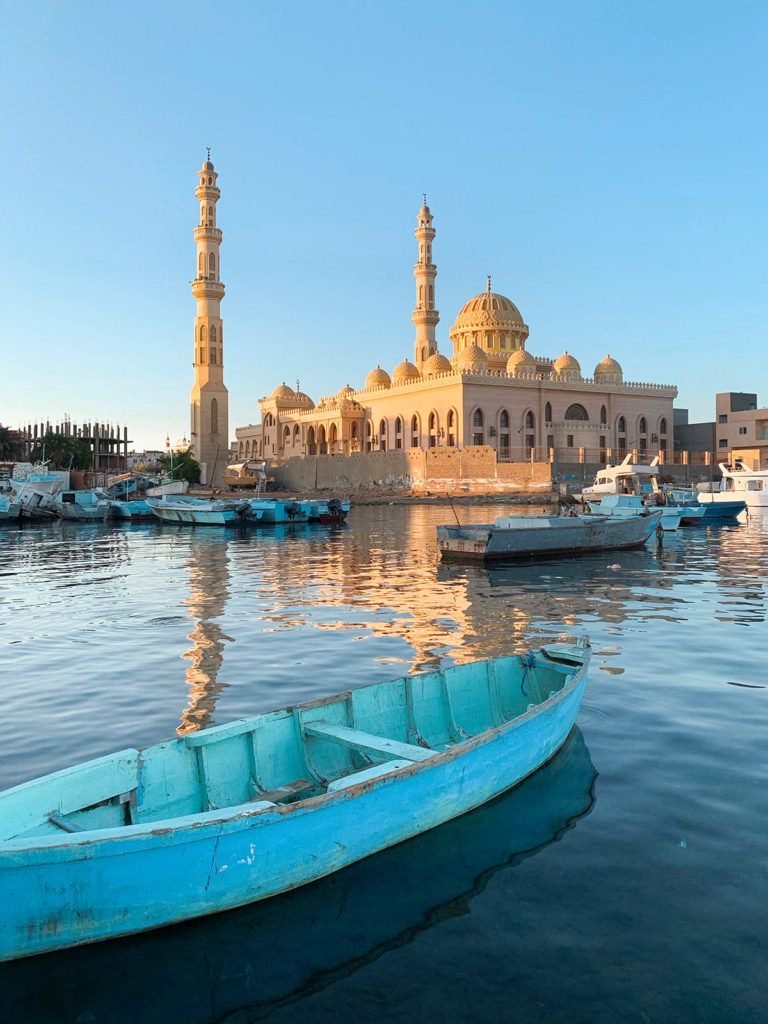
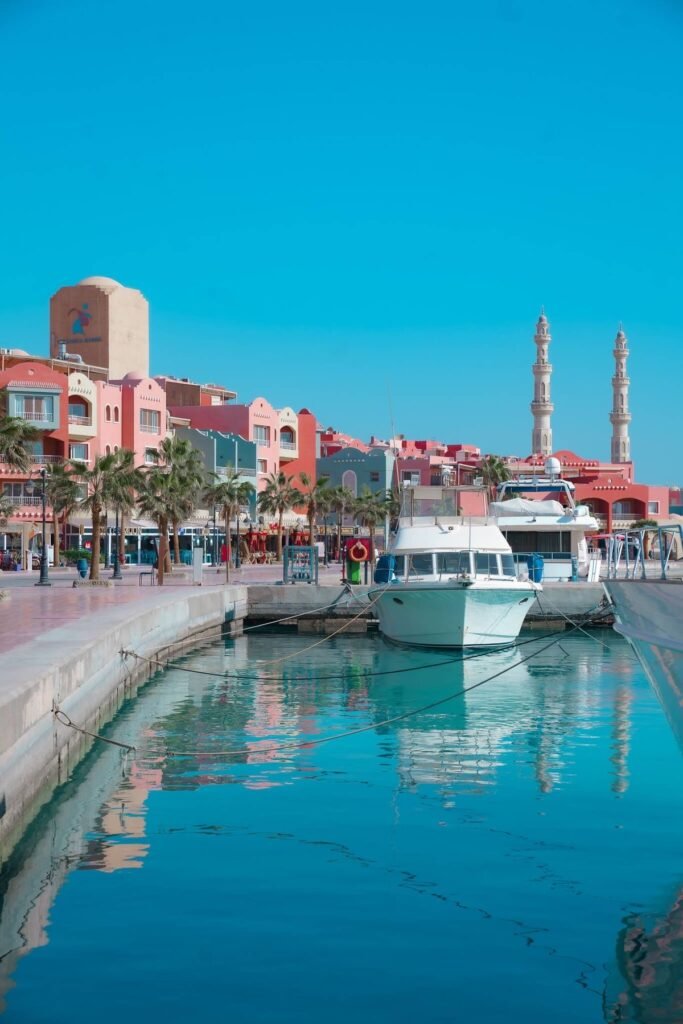
Hurghada, one of the oldest and most famous resort towns, boasts a vibrant nightlife alongside exquisite beaches and honeymoon resorts. Its proximity to excellent diving spots makes it a hub for snorkeling and scuba diving enthusiasts. Visitors can explore the nearby Giftun Islands, where colorful coral reefs teem with marine life. The lively bazaars and local restaurants create an inviting atmosphere for tourists seeking to experience authentic Egyptian culture.
Sharm El Sheikh is often celebrated for its picturesque landscapes and luxurious amenities. Surrounded by the dramatic mountains of Sinai, this destination is a playground for water sports lovers. Activities such as windsurfing, kitesurfing, and diving in the nearby Ras Mohammed National Park showcase the region’s rich biodiversity. Additionally, the city’s upscale resorts offer world-class spa services and entertainment options, making it a favored spot for holidaymakers looking to relax and rejuvenate.
El Gouna, known for its eco-conscious approach, is characterized by its lovely lagoons and modern architecture. This destination is perfect for those interested in sustainable tourism, while also offering diverse activities such as golf, kite surfing, and boat trips. Its scenic layout, featuring a network of canals and islands, provides an idyllic atmosphere for leisurely explorations.
Lastly, Marsa Alam captivates visitors with its tranquil environment and pristine beaches. It serves as the gateway to some of the Red Sea’s most remarkable dive sites, like the famous Dolphin House, where swimmers can interact with playful dolphins in their natural habitat. The serene location is perfect for nature lovers and adventure seekers alike, ensuring an unforgettable experience along the enchanting coast of the Red Sea.
Located along the stunning coastline of the Egyptian Red Sea, Hurghada has evolved into a premier luxury tourism destination, attracting countless visitors with its blend of sumptuous resorts, exquisite dining, and exclusive experiences. This vibrant city, initially a modest fishing village, has transformed dramatically over the past few decades, positioning itself as the heart of luxury tourism in the region.
At the forefront of Hurghada’s appeal are its opulent resorts, which cater to the needs of discerning travelers. Notable establishments include renowned international hotel chains that provide upscale accommodation, world-class amenities, and breathtaking views of the azure sea. These luxurious properties often include private beaches, lavish swimming pools, and extensive spa facilities, ensuring that guests enjoy utmost comfort and relaxation during their stay.
In addition to high-end lodging, Hurghada offers an array of gourmet dining options that reflect both local and international culinary traditions. Visitors can indulge in fine dining experiences offered by acclaimed chefs, providing everything from traditional Egyptian cuisine to global flavors. Many restaurants emphasize fresh seafood, often sourced directly from the Red Sea, which further enhances the dining experience while showcasing the area’s natural bounty.
Moreover, Hurghada presents several exclusive experiences that allow tourists to fully immerse themselves in the region’s rich cultural and natural heritage. Activities such as private yacht charters, personalized desert safaris, and luxury diving excursions cater to adventurous spirits, combining opulence with thrill. With the opportunity to explore vibrant coral reefs and encounter diverse marine life, visitors can appreciate the unique underwater world that the Red Sea has to offer.
Thus, the city of Hurghada stands out as a remarkable hub for luxury tourism, characterized by its lavish resorts, upscale dining, and exclusive activities. As a result, it plays a vital role in shaping the tourism landscape of the Egyptian Red Sea, appealing to those seeking an unforgettable getaway in one of the world’s most beautiful coastal regions.
The Egyptian Red Sea is widely regarded as the world’s diving capital, attracting divers from across the globe thanks to its unparalleled marine biodiversity and stunning underwater landscapes. The region is home to an extensive range of coral reefs, with over 1,200 species, many of which are unique to the area. This rich biodiversity provides a fascinating setting for both novice and experienced divers.
Stunning dive sites like Ras Mohammed, the Brothers Islands, and the SS Thistlegorm wreck offer world-class underwater experiences. Each location boasts a variety of marine life, including vibrant fish, sea turtles, and sharks, making every diving excursion a memorable adventure. According to PADI, the Professional Association of Diving Instructors, the abundance of dive schools and guided tours further enhances the attractiveness of the Red Sea, ensuring that divers have access to expert instruction and safe diving practices.
The clarity of the water, often exceeding visibility of 30 meters, enables divers to appreciate the full beauty of the underwater world. This exceptional visibility, combined with a favorable climate that allows for year-round diving, supports the growing popularity of the Red Sea as a premier dive destination.
Furthermore, the educational opportunities available in the Red Sea are noteworthy. Many dive centers offer specialty courses in marine biology, underwater photography, and advanced diving techniques, providing divers with the chance to enhance their skills while exploring the abundant underwater life.
The allure of the Red Sea as the world’s diving capital is not solely rooted in its stunning sites and marine life; it is also the community and passion surrounding diving that keeps divers returning. The combination of exceptional conditions, diverse marine experiences, and comprehensive educational resources solidifies the Red Sea’s reputation as an undeniable leader in the diving world.
While the Egyptian Red Sea is renowned for its spectacular diving sites, there exists a kaleidoscope of activities that cater to a broader range of interests. Tourists venturing beyond the underwater beauty will discover an array of experiences that offer adventure, cultural immersion, and the chance to explore the stunning landscapes of the region.
Snorkeling is one of the prime activities that non-divers can indulge in, allowing for a serene exploration of vibrant coral reefs and marine life. Locations such as Ras Mohammed National Park and the Giftun Islands are particularly popular, where the shallow waters provide an opportunity for both beginners and experienced snorkelers. Here, one can observe schools of colorful fish and complex marine ecosystems that thrive just beneath the surface.
For those seeking a more thrilling adventure, desert safaris present an exciting option. Guided tours often take visitors on exhilarating rides through the majestic landscapes of the Eastern Desert, offering stunning views and cultural insights. Travellers can experience traditional Bedouin hospitality through overnight camping in the desert, where one can enjoy stargazing under the clear skies while learning about the local culture and traditions.
Cultural excursions are also a significant aspect of experiencing the richness of the Red Sea region. Organized trips to historical sites such as the ancient temples of Luxor or the pyramids of Giza provide unique insights into Egypt’s illustrious past. Additionally, local markets and villages allow tourists to engage with the community, offering opportunities to taste local cuisine and purchase handmade crafts.
Lastly, various marine activities, including kayaking and windsurfing, can be enjoyed in the pristine waters of the Red Sea. These activities not only provide adventure but also allow for a closer connection with the breathtaking natural surroundings of this beautiful destination. Overall, the Egyptian Red Sea combines adventure with cultural enrichment, making it an unforgettable location for all types of travelers.
The Egyptian Red Sea region is renowned for its stunning biodiversity and crystal-clear waters, making it a prime destination for tourists and marine enthusiasts. However, the increasing pressure from tourism and environmental changes has necessitated robust conservation efforts to preserve this natural treasure. The Health, Ecosystem, and Local Community Awareness (HEPCA) initiative plays a pivotal role in safeguarding the coral reefs and marine ecosystems of the Red Sea. Through various programs, HEPCApromotes sustainable tourism practices and marine conservation initiatives that are crucial for maintaining biodiversity and ecosystem health.
Coral reefs in the Egyptian Red Sea are home to an array of marine life, including numerous fish species, invertebrates, and other organisms. These ecosystems, however, are under threat from pollution, overfishing, and climate change. The HEPCA guidelines focus on several key areas, such as establishing protected marine areas, restoring damaged reefs, and fostering community engagement in conservation activities. These measures aim not only to protect the reefs but also to educate travelers and locals about the importance of responsible interaction with the marine environment.
Travelers can play a significant role in supporting these conservation efforts. Simple actions like adhering to guidelines set by conservation groups, choosing eco-friendly tour operators, and avoiding the use of harmful sunscreens can make a difference. Snorkelers and divers are encouraged to practice buoyancy control to minimize reef contact and refrain from touching marine life to prevent damage to these fragile ecosystems.
Ultimately, the preservation of the Egyptian Red Sea hinges on the joint efforts of local communities, conservation organizations, and visitors alike. By raising awareness about environmental issues and actively participating in protection initiatives, everyone can contribute to the ongoing efforts to ensure that this marine paradise remains intact for generations to come.
The Egyptian Red Sea, stretching majestically from Suez to Shalateen, is a vibrant hub of natural beauty and adventure. This region offers travelers an unparalleled array of experiences, ranging from exhilarating water sports, such as diving and snorkeling, to the serene enjoyment of its stunning beaches. Each location along the coast presents unique highlights, showcasing the diverse marine life and rich culture, which contribute to the area’s significant appeal.
As discussed, the underwater ecosystems of the Red Sea are nothing short of extraordinary. The coral reefs, teeming with life, support countless species, making this a prime destination for ecotourism. Efforts to protect these sensitive environments are essential, urging visitors to approach exploration with respect and responsibility. Conservation initiatives play a pivotal role in maintaining the integrity of the marine ecosystems, enabling future generations to appreciate the breathtaking beauty found beneath the waves.
Moreover, the cultural tapestry woven through the coastal towns adds another layer to the allure of the Red Sea. Each city, from Hurghada to Marsa Alam, pulses with its own rhythm, reflecting local traditions and hospitality. Travelers are encouraged to immerse themselves in the culture, exploring local cuisine, markets, and the histories that have shaped these coastal communities.
In essence, the Egyptian Red Sea serves as a playground for adventurers and a sanctuary for those seeking tranquility amidst nature’s splendor. By choosing to experience this remarkable region mindfully, visitors can enjoy its wonders while contributing to the ongoing preservation of its unique landscapes. Embracing the Red Sea means appreciating its beauty and committing to stewardship of one of the planet’s most incredible environments.
“At Luxury Hurghada Tour, we do more than just organize your trips; preserving the treasures of the Red Sea is an integral part of our core values. We strictly adhere to HEPCA’s guidelines to ensure that future generations can enjoy the same breathtaking beauty we cherish today.”
“Our passion for the Red Sea at Luxury Hurghada Tour is rooted in our deep love for this land. We are dedicated to ensuring you have a luxurious and safe experience that perfectly blends authentic adventure with a deep sense of responsibility toward our unique marine environment.”
The Red Sea is a year-round destination, but for the best water temperatures and visibility, the months from March to May and September to November are highly recommended.
While smartphones capture memories, a professional photographer ensures your special moments (honeymoons, diving adventures) are captured with high-end equipment, lighting, and artistic angles that amateur shots simply cannot match.
Yes, as long as you follow responsible tourism guidelines. Always choose reputable tour operators and follow HEPCA’s code of conduct to ensure you are respecting the marine environment and the animals’ natural habitat.
You can tailor your honeymoon experience by reaching out to our dedicated team at [Your Website Name], where we specialize in creating private, romantic, and all-inclusive marine excursions
The golden rule is “Look but don’t touch.” Never stand on coral, do not collect shells or marine life, and ensure you use reef-safe sunscreen to protect these fragile ecosystems