

Your cart is currently empty!
You may check out all the available trips and book one that suits you.
Continue Browsing Trips![Snorkeling group at Giftun Island National Park protected reef Hurghada]](https://luxuryhurghadatour.com/wp-content/uploads/2026/06/Makadi-Bay-sea-trips-Red-Sea-boat-tour.jpg)
your complete resource for discovering Hurghada’s coral reefs, marine life, snorkeling, diving, islands, and unforgettable experiences along Egypt’s spectacular Red Sea coast.
The Red Sea is far more than a beautiful destination on the map of Egypt. It is one of the world’s most extraordinary marine ecosystems, home to vibrant coral reefs, crystal-clear waters, and an incredible diversity of marine life found nowhere else on Earth. Stretching between Africa and the Arabian Peninsula, this remarkable sea has attracted explorers, scientists, divers, photographers, and travelers for thousands of years.
Among all Red Sea destinations, Hurghada has earned a global reputation as one of the best places to experience its natural beauty. Located on Egypt’s eastern coastline, Hurghada offers easy access to colorful coral gardens, tropical fish, protected islands, luxury yacht excursions, world-class diving sites, and unforgettable snorkeling experiences. Whether you’re visiting for a relaxing holiday, an underwater adventure, or a special celebration at sea, the Red Sea offers something unique in every season.
One of the reasons the Red Sea stands apart from other tropical destinations is its exceptional water clarity. In many locations around Hurghada, underwater visibility often exceeds 20 to 30 meters, allowing visitors to appreciate the reef’s rich colors and marine life in remarkable detail. Warm water throughout the year also makes snorkeling and diving accessible during every season, whether you’re an experienced diver or trying your first underwater adventure.
The underwater world is only part of the story. Above the surface, visitors can explore stunning islands with white sandy beaches, enjoy private yacht cruises, watch spectacular sunsets over the water, or discover the peaceful atmosphere that has made Hurghada one of the Mediterranean region’s leading luxury travel destinations.
The Red Sea also plays an essential role in marine conservation. Its coral reefs are among the most resilient in the world, providing shelter for hundreds of fish species, sea turtles, dolphins, rays, and countless smaller marine organisms. These living ecosystems are not only beautiful—they are vital to the health of our oceans and deserve responsible exploration and protection.
This guide has been created to help you understand every aspect of the Red Sea in Hurghada. You’ll discover how this remarkable sea was formed, why its biodiversity is so important, where to find the best snorkeling and diving locations, which islands are worth visiting, how to travel responsibly, and how to make the most of your time on Egypt’s spectacular Red Sea coast. Whether you’re planning your first visit or returning for another unforgettable adventure, this guide will help you experience Hurghada with greater confidence, knowledge, and appreciation.
The Red Sea is widely regarded as one of the most remarkable marine environments on Earth, not because of a single feature, but because of the unique combination of its geography, climate, biodiversity, and history. While many tropical seas offer beautiful beaches or colorful marine life, very few places bring together such exceptional underwater visibility, year-round warm temperatures, thriving coral reefs, and easy access to world-class snorkeling and diving—all in one destination.
One of the Red Sea’s greatest natural advantages is its extraordinary water clarity. Along the coast of Hurghada, visibility often reaches 20 to 30 meters (65–100 feet), and on calm days it can extend even farther. This allows divers, snorkelers, and underwater photographers to enjoy vibrant coral formations and marine life in stunning detail without needing to descend to great depths.
Another defining feature is its incredible biodiversity. Although the Red Sea covers less than 1% of the world’s marine waters, it supports more than 1,200 species of fish, with a significant number found nowhere else on Earth. From tiny reef fish and graceful rays to dolphins, sea turtles, and majestic coral gardens, every dive or snorkeling trip offers the chance to discover something different.
The Red Sea is also home to one of the planet’s most resilient coral reef systems. Scientists continue to study these reefs because many have shown an unusual ability to withstand higher water temperatures compared with coral reefs in other parts of the world. Understanding how these corals survive may help protect fragile reef ecosystems globally as oceans continue to warm.
For travelers, this creates an unforgettable experience. In a single day, visitors can relax on powder-soft sandy beaches, cruise aboard a luxury yacht, snorkel above colorful reefs, watch dolphins in their natural habitat, enjoy fresh seafood at sea, and finish the evening with a spectacular sunset over the Red Sea.
Hurghada is one of the best gateways to explore this natural wonder. Thanks to its modern marinas, international airport, wide range of accommodations, and proximity to protected marine parks and islands, it has become one of Egypt’s leading destinations for both first-time visitors and experienced divers.
Whether you are seeking adventure, relaxation, wildlife encounters, underwater photography, or a luxury private yacht experience, the Red Sea offers a combination of natural beauty and accessibility that few destinations in the world can match.
The Red Sea is a narrow body of water that separates the northeastern coast of Africa from the Arabian Peninsula. Stretching for approximately 2,250 kilometers (1,400 miles), it borders six countries: Egypt, Sudan, Eritrea, Djibouti, Saudi Arabia, and Yemen. At its northern end, the sea divides into two famous gulfs—the Gulf of Suez and the Gulf of Aqaba—before connecting to the Suez Canal, one of the world’s most important maritime trade routes.
Egypt enjoys one of the longest and most accessible coastlines along the Red Sea, making it one of the world’s leading destinations for marine tourism. Cities such as Hurghada, El Gouna, Marsa Alam, Safaga, and Sharm El Sheikh have become internationally recognized for their exceptional diving, snorkeling, luxury resorts, and pristine beaches.
Hurghada is strategically positioned along Egypt’s eastern coastline, offering easy access to some of the Red Sea’s most celebrated coral reefs and islands. Visitors can reach famous destinations such as Giftun National Park, Orange Bay, Paradise Island, Magawish Island, and Dolphin House within a short boat journey, making Hurghada an ideal base for exploring the region.
Unlike many tropical destinations that require long transfers to reach healthy reefs, many of Hurghada’s best snorkeling and diving locations are located just offshore. This accessibility allows travelers to experience vibrant marine life without spending hours at sea.
The Red Sea’s location also influences its climate. Surrounded by desert landscapes, the region experiences abundant sunshine, low rainfall, and warm temperatures throughout the year. These conditions contribute to exceptional underwater visibility and create ideal circumstances for marine ecosystems to flourish.
For travelers, this means more reliable weather, calm seas during much of the year, and opportunities to enjoy outdoor activities in every season.
| Fact | Information |
|---|---|
| Length | Approximately 2,250 km (1,400 miles) |
| Maximum Depth | Over 2,200 meters |
| Average Water Temperature | Around 22°C–30°C (72°F–86°F) depending on season |
| Countries Bordering the Red Sea | Egypt, Sudan, Eritrea, Djibouti, Saudi Arabia, Yemen |
| Famous Egyptian Destinations | Hurghada, El Gouna, Safaga, Marsa Alam, Sharm El Sheikh |
For thousands of years, the Red Sea has served as one of the world’s most significant waterways, connecting civilizations, cultures, and continents. Ancient Egyptians used its waters for trade expeditions, transporting precious goods, incense, and exotic materials from neighboring regions. Archaeological discoveries suggest that maritime activity in the Red Sea dates back more than 4,000 years.
Throughout history, the Red Sea became an essential route linking Africa, the Middle East, and Asia. Merchants, explorers, and sailors navigated its waters long before modern navigation systems existed, making it one of humanity’s earliest maritime highways.
The Red Sea also holds great cultural and religious significance. It appears in historical records, ancient literature, and religious traditions that have shaped civilizations for centuries. Today, visitors from around the world are drawn not only by its history but also by its extraordinary natural beauty.
The opening of the Suez Canal in 1869 transformed the Red Sea into one of the busiest shipping corridors on Earth, connecting the Mediterranean Sea with the Indian Ocean. Every year, thousands of commercial vessels pass through this route, highlighting its continued importance to global trade.
Despite this economic role, much of the Red Sea’s coastline remains remarkably well preserved. Protected marine parks and conservation initiatives help safeguard fragile coral reefs and marine habitats, ensuring that future generations can continue to experience one of the world’s most spectacular underwater environments.
Today, the Red Sea is celebrated not only as a historic waterway but also as a global destination for marine tourism, scientific research, underwater photography, luxury travel, and sustainable adventure.
The Red Sea is much more than a beautiful destination for swimming, snorkeling, or diving—it is one of the world’s most fascinating marine ecosystems. Every coral formation, reef fish, sea turtle, and dolphin is part of a complex natural system that has evolved over millions of years. Understanding this ecosystem not only makes your experience more meaningful but also highlights why protecting the Red Sea is so important.
Unlike many tropical seas, the Red Sea supports an extraordinary variety of marine life despite its relatively isolated location. Scientists have identified more than 1,200 fish species, over 300 species of coral, and numerous marine mammals, reptiles, crustaceans, mollusks, and other invertebrates. Remarkably, around 10–15% of the Red Sea’s fish species are endemic, meaning they are found nowhere else on Earth.
Although coral may appear to be colorful underwater rocks, it is actually made up of millions of tiny living animals called coral polyps. These organisms work together to build vast limestone structures that become homes for thousands of marine species.Coral reefs
perform many vital ecological functions. They provide shelter for juvenile fish, protect coastlines from wave erosion, support marine biodiversity, and contribute significantly to local tourism and fishing industries. Without healthy coral reefs, much of the Red Sea’s spectacular marine life would disappear.
One of the most remarkable characteristics of the Red Sea ecosystem is its resilience. Researchers continue to study Red Sea corals because some populations appear to tolerate higher water temperatures better than reefs in many other parts of the world. While this resilience offers hope for the future, it does not mean these ecosystems are immune to damage. Climate change, pollution, careless tourism, and physical contact with corals remain significant threats that require ongoing conservation efforts.
For visitors, every snorkeling or diving trip becomes an opportunity to witness this living ecosystem in action. Even shallow reefs just a few meters below the surface can host hundreds of colorful fish species, graceful rays, sea turtles grazing on seagrass, and occasionally pods of dolphins passing nearby.
Understanding the marine ecosystem also helps visitors become more responsible travelers. Maintaining a safe distance from wildlife, avoiding contact with coral, using reef-safe sunscreen whenever possible, and following professional guides all contribute to preserving this extraordinary environment for future generations.
| Feature | Details |
|---|---|
| Estimated Fish Species | 1,200+ |
| Coral Species | 300+ |
| Endemic Fish | Approximately 10–15% |
| Water Visibility | Often 20–30+ meters |
| Average Water Temperature | 22°C–30°C (72°F–86°F) |
| Best Activities | Snorkeling, Diving, Underwater Photography, Marine Wildlife Observation |
💡 Did You Know?
A healthy coral reef supports thousands of marine organisms, from microscopic plankton to large predators. Although coral reefs cover less than 1% of the ocean floor, they are estimated to support about 25% of all known marine species, making them one of the most biodiverse ecosystems on Earth.ing Marine Life in Hurghada
The best underwater photographs are usually taken during the morning when sunlight penetrates the water at a sharper angle, enhancing the natural colors of corals and tropical fish while reducing backscatt
When most people imagine the Red Sea, they picture colorful coral reefs stretching beneath crystal-clear water. These breathtaking formations are not simply beautiful landscapes—they are living ecosystems that have developed over thousands of years and support nearly every form of marine life found along Egypt’s coastline.
Corals are tiny marine animals known as polyps. Working together in massive colonies, they build hard limestone skeletons that gradually form reefs. These reefs grow incredibly slowly, often adding only a few millimeters to a few centimeters each year. A large coral formation visible today may therefore be hundreds or even thousands of years old.
The Red Sea contains two primary categories of coral:
Hard corals are responsible for building the reef’s structural framework. They create the massive limestone formations that provide shelter for countless fish and marine organisms. Brain corals, table corals, staghorn corals, and boulder corals are among the most recognizable examples found around Hurghada.
Soft corals do not build limestone skeletons like hard corals, but they add extraordinary movement and color to the reef. Their flexible branches sway gently with ocean currents, creating spectacular underwater scenery in shades of purple, orange, yellow, red, and pink.
Together, hard and soft corals create one of the world’s richest underwater habitats. Tiny reef fish seek protection among their branches, larger predators patrol nearby, while sea turtles, rays, and countless invertebrates rely on these ecosystems for food and shelter.
For visitors, coral reefs offer much more than beautiful scenery—they provide an opportunity to witness one of nature’s most complex and fragile ecosystems. Every responsible snorkeling or diving experience contributes to raising awareness of the importance of marine conservation.
Standing on coral reefs.
Touching marine animals.
Feeding fish.
Collecting shells or coral fragments.
Chasing dolphins or sea turtles.
Using fins carelessly in shallow reefs.
Leaving plastic waste or litter on beaches or boats.
Small actions can have a lasting impact on these fragile ecosystems.
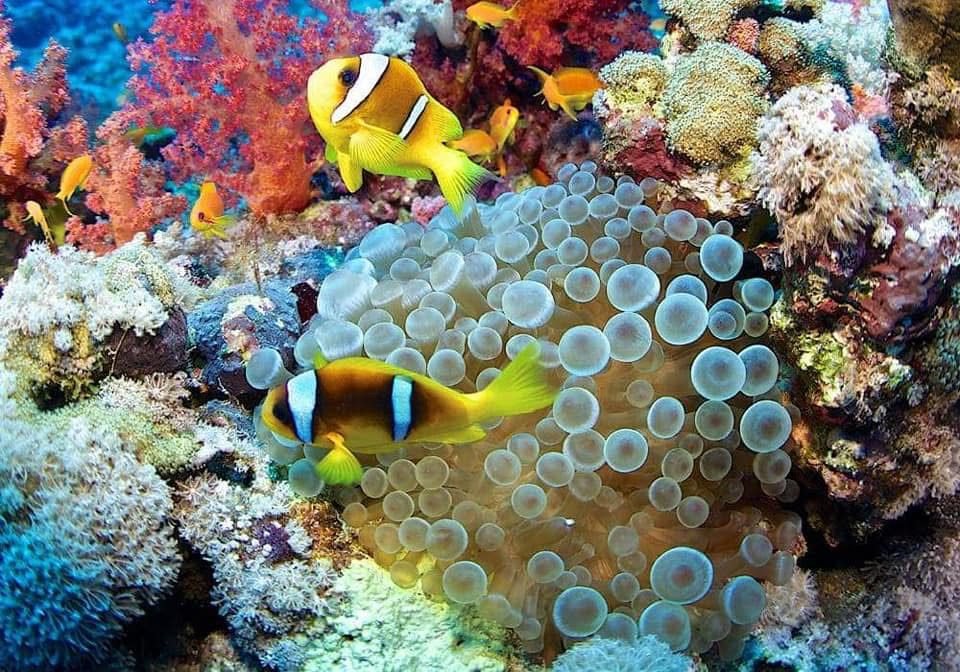
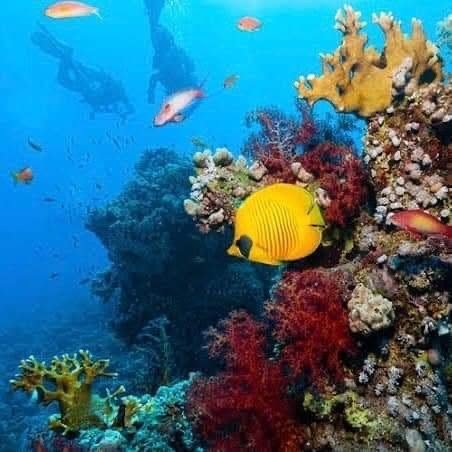
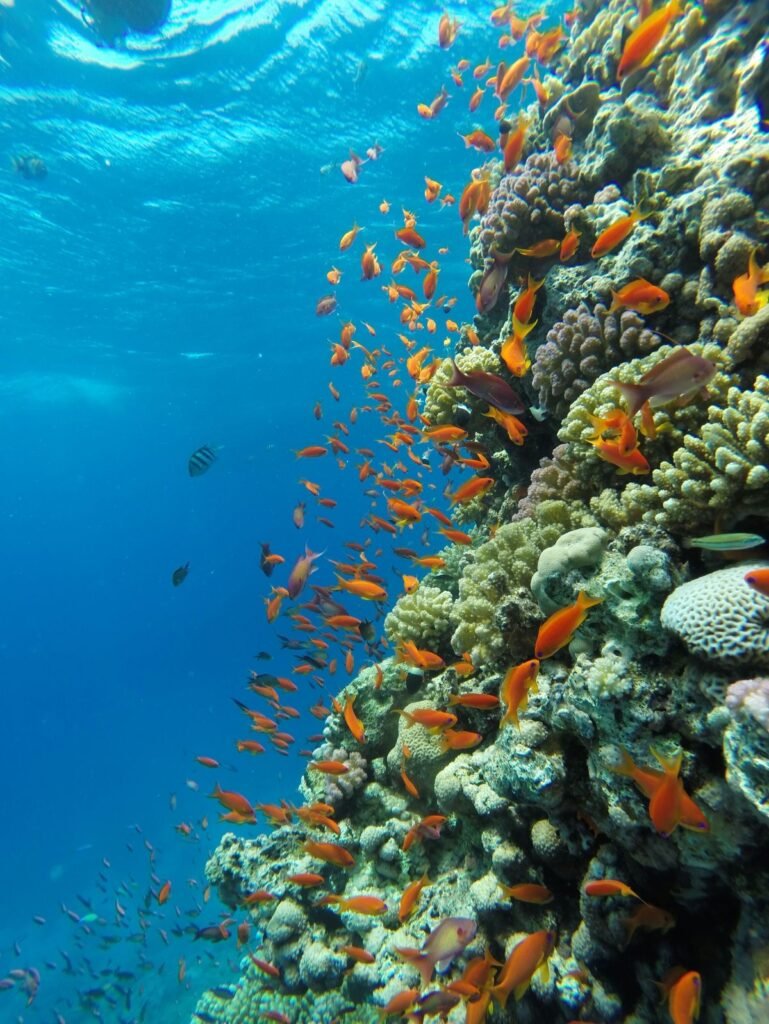
Hurghada is home to some of the finest snorkeling locations in the Red Sea, offering crystal-clear water, vibrant coral reefs, and an incredible diversity of marine life. Whether you’re a first-time snorkeler or an experienced ocean enthusiast, you’ll find underwater landscapes filled with colorful reef fish, healthy corals, sea turtles, rays, and, with a little luck, playful dolphins.
One of the greatest advantages of snorkeling in Hurghada is that many spectacular reefs are located in shallow water, making them easily accessible without any diving certification. With a mask, snorkel, fins, and a professional guide, visitors can experience one of the world’s richest marine ecosystems only a few meters below the surface.
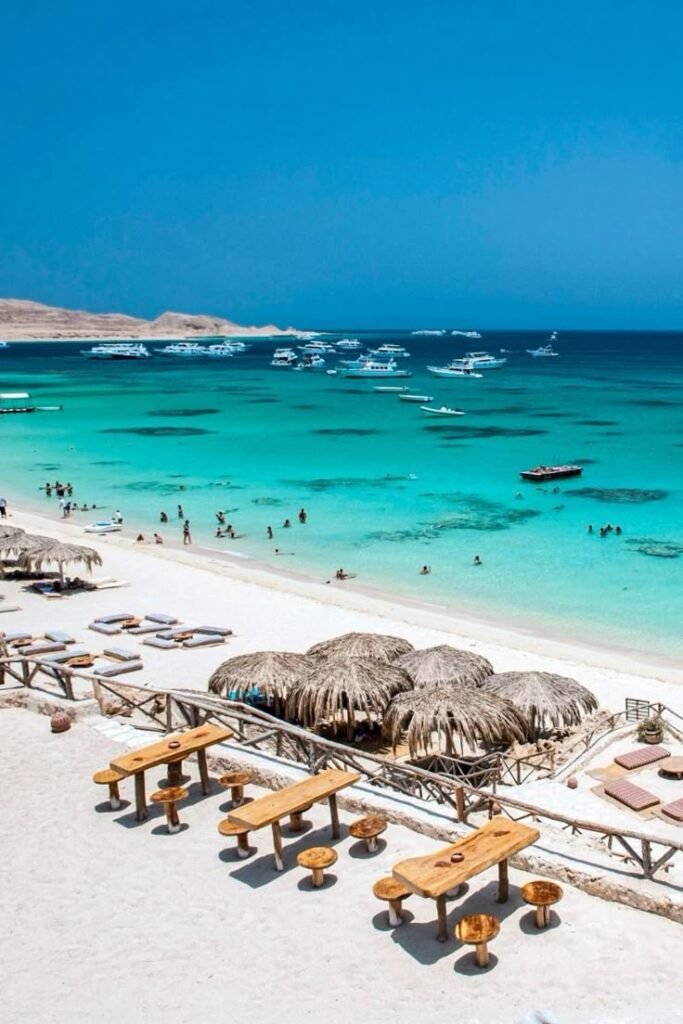
Orange Bay is one of Hurghada’s most famous snorkeling destinations, combining powder-soft white sand with calm, turquoise lagoons and nearby coral reefs. It is perfect for beginners, families, and travelers looking for a relaxing day at sea.
Paradise Island offers a wonderful balance between beach relaxation and underwater exploration. The surrounding reefs are home to butterflyfish, parrotfish, angelfish, surgeonfish, and many other colorful species.
Beautiful sandy beaches
Healthy coral reefs
Calm snorkeling conditions
Known worldwide as one of the best places in Egypt to observe wild spinner dolphins, Dolphin House provides unforgettable snorkeling experiences. While dolphin encounters can never be guaranteed, visitors often have the opportunity to see them swimming freely in their natural habitat.
Wild spinner dolphins
Extensive coral reef system
Rich marine biodiversity
Professional guide local guide
Important: Always respect marine life by keeping a safe distance and never attempting to chase or touch dolphins.
Giftun National Park is one of Egypt’s oldest marine protected areas and is widely regarded as one of the premier snorkeling destinations in the Red Sea. The reefs surrounding the islands are exceptionally healthy, supporting hundreds of marine species.
Protected coral reefs
Exceptional underwater visibility
Sea turtles
Blue-spotted stingrays
Schools of tropical fish
Often called “The Aquarium”, Abu Ramada is famous for its calm waters and extraordinary fish diversity. Even while snorkeling close to the surface, visitors can observe thousands of colorful fish swimming among vibrant coral formations.
Perfect underwater photography
Calm sea conditions
Rich coral formations
Suitable for beginners and experienced snorkelers
Depending on the season and weather conditions, snorkelers may encounter:
Clownfish
ParrotfishButterflyfish
Angelfish
Surgeonfish
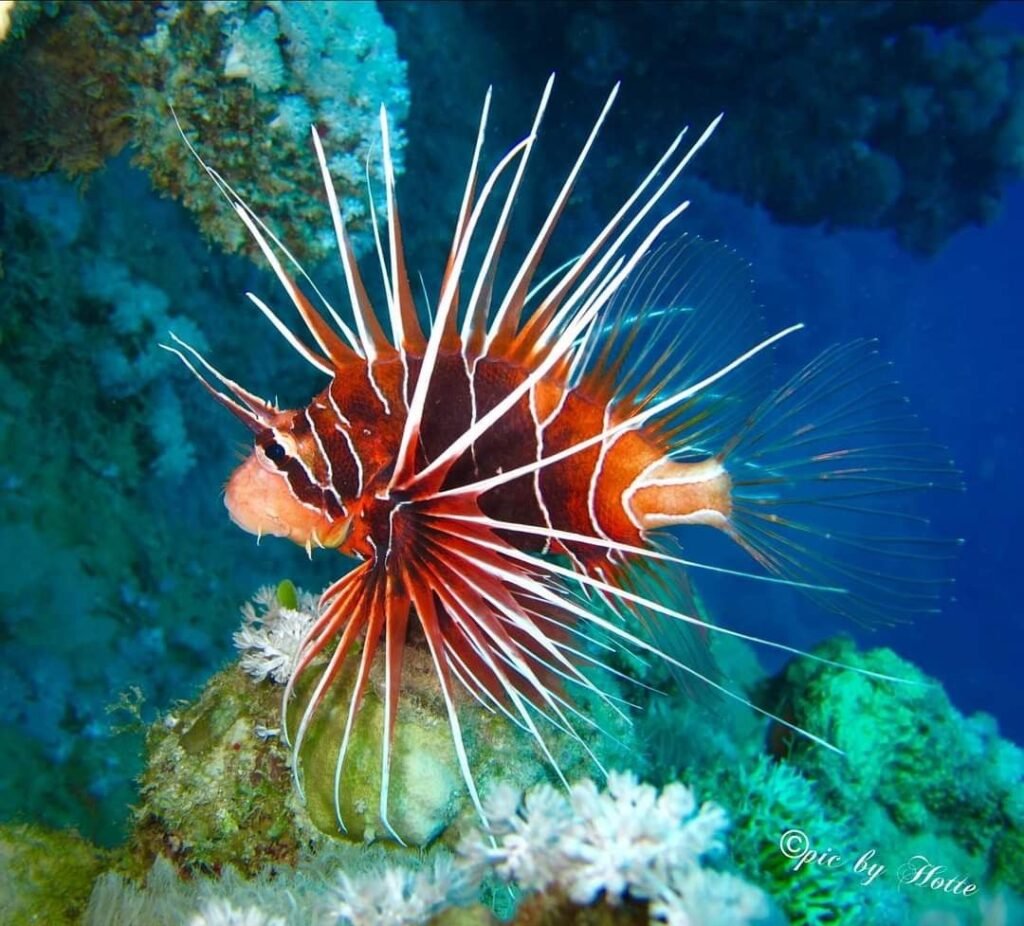
LionfishBlue-spotted stingrays
Moray eels
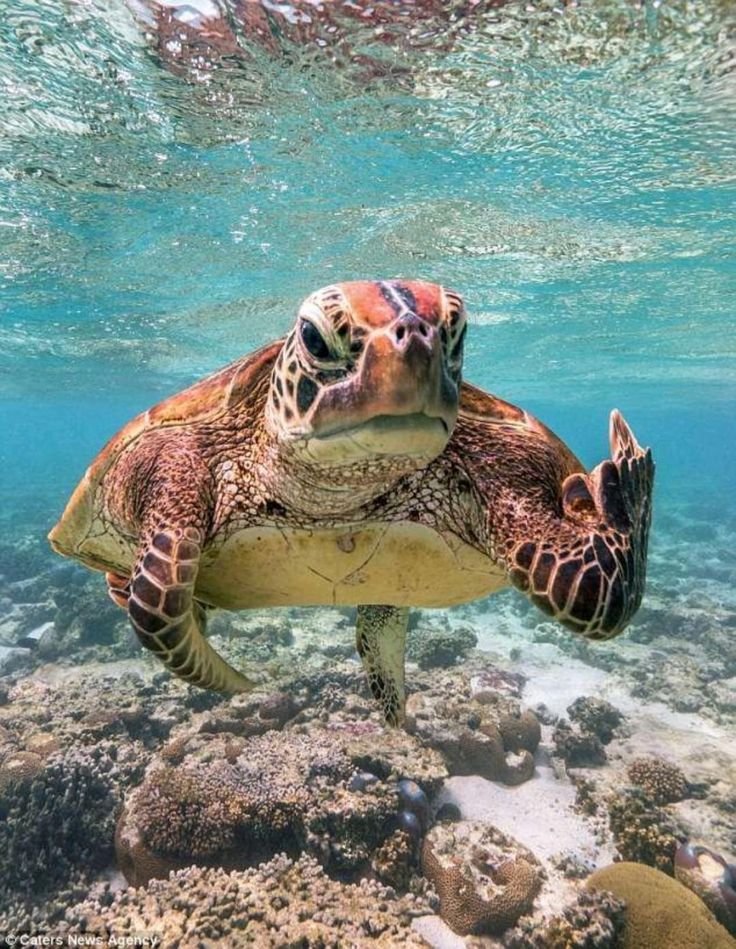
Green sea turtles
Hawksbill turtles
Spinner dolphins
Octopus
Cuttlefish
Giant clams
Hundreds of colorful reef fish
Every snorkeling trip is unique, making each visit to the Red Sea a new adventure.
Expert Tips for the Best Snorkeling Experience
Wear a properly fitted mask to prevent water leaks.
Use anti-fog solution or baby shampoo on your mask before entering the water.
Never stand on or touch coral reefs.
Maintain a respectful distance from marine animals.
Follow your guide’s safety instructions at all times.
Wear a UV-protective rash guard during summer months.
Stay hydrated before and after your snorkeling trip.
Use reef-safe sunscreen whenever possible.
Photography Tip
The best underwater photos are usually captured between 9:00 AM and 11:30 AM, when sunlight penetrates the water at the ideal angle, producing vivid natural colors and excellent visibility.
Luxury Hurghada Tour Recommendation
For the best snorkeling experience, choose a small-group or private boat trip rather than a crowded excursion. Smaller groups provide more time in the water, access to quieter reef locations, personalized guidance, and a more relaxed luxury experience.
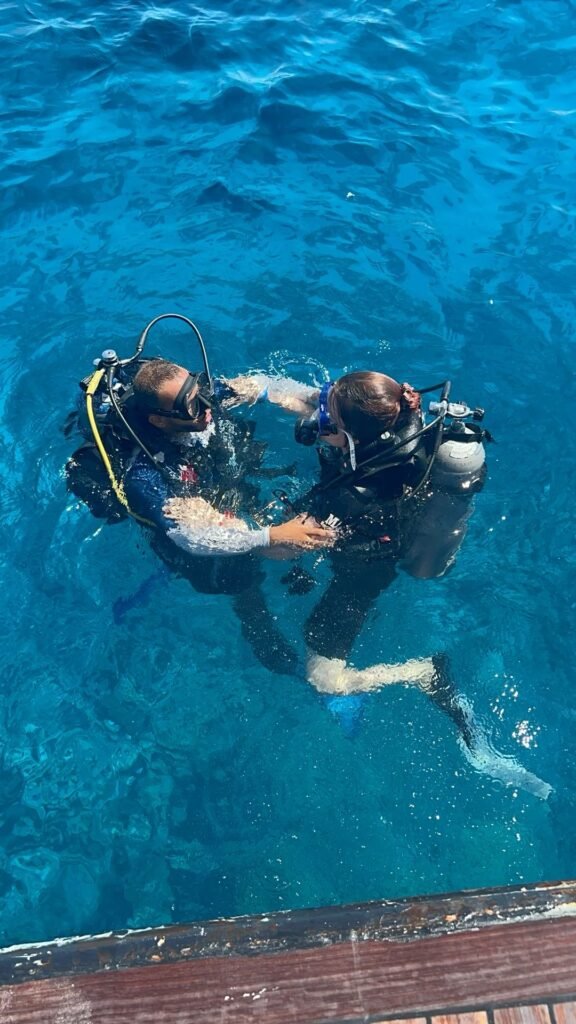
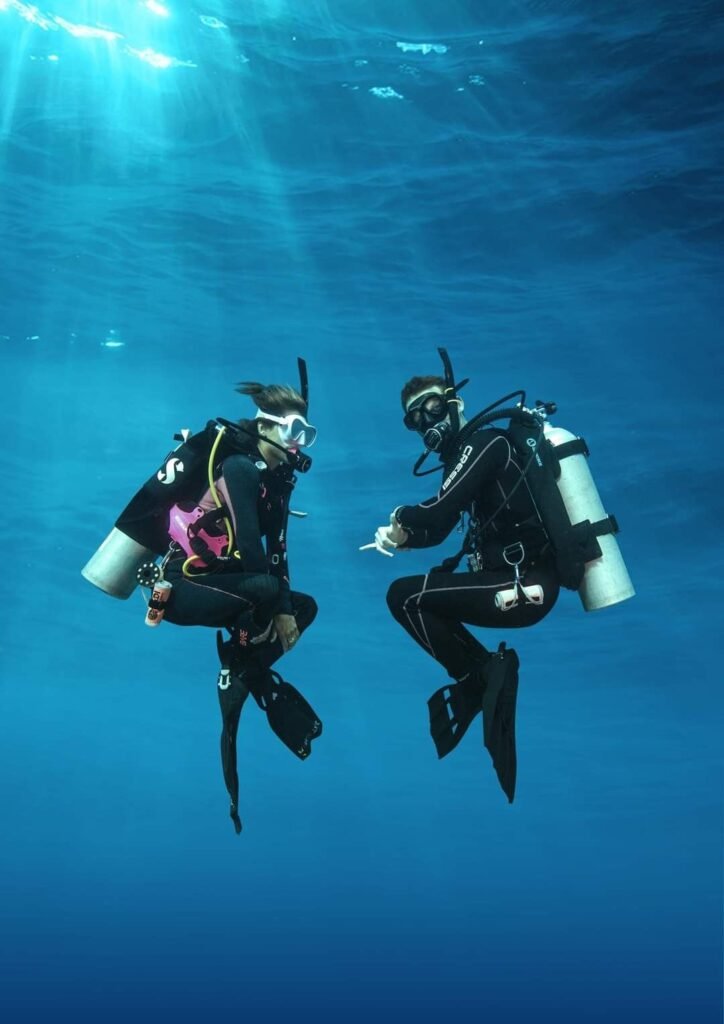
Hurghada is internationally recognized as one of the world’s leading diving destinations, attracting everyone from first-time divers to experienced professionals. Thanks to its exceptional underwater visibility, healthy coral reefs, warm temperatures, and easy access to dozens of dive sites, the region offers unforgettable experiences throughout the year.
Whether you’re completing your first scuba lesson or exploring advanced wall dives, Hurghada provides an incredible variety of underwater landscapes filled with vibrant marine life.
Often called “The Aquarium”, Abu Ramada is famous for its remarkable biodiversity and calm conditions. Divers frequently encounter schools of butterflyfish, angelfish, bannerfish, and blue-spotted stingrays. The reef’s colorful coral gardens make it an excellent destination for underwater photography.
Suitable for: Beginners to Advanced Divers
Located near Giftun Island National Park, this site combines healthy coral formations with dramatic underwater scenery. Giant moray eels, lionfish, Napoleon wrasse, and occasionally dolphins can be spotted here.
Suitable for: Open Water Divers
One of Hurghada’s most famous dive sites, Carless Reef features steep reef walls, soft corals, giant gorgonian fans, and abundant pelagic fish. During certain seasons, lucky divers may encounter reef sharks and large tuna.
Suitable for: Intermediate and Advanced Divers
Known worldwide for its resident population of spinner dolphins, Shaab El Erg offers unforgettable snorkeling and diving opportunities. While dolphin encounters can never be guaranteed, this reef remains one of Egypt’s most iconic marine habitats.
Suitable for: Snorkelers and Divers
Stretching across a large area north of Hurghada, El Fanadir is known for its coral slopes and macro marine life. Divers interested in underwater photography often search for nudibranchs, octopuses, shrimp, and other fascinating small creatures hidden among the reef.
Suitable for: All Experience Levels
Always dive with certified local professionals who follow responsible marine tourism practices. The best diving experience is one that protects the reef while allowing visitors to enjoy its extraordinary biodiversity safely.
The islands surrounding Hurghada are among Egypt’s greatest natural treasures. Crystal-clear turquoise lagoons, white sandy beaches, protected coral reefs, and peaceful natural surroundings make these islands the highlight of many Red Sea holidays.
Orange Bay has become one of Hurghada’s most famous destinations thanks to its shallow turquoise waters, soft white sand, and relaxed atmosphere. Visitors can swim, snorkel, sunbathe, or simply enjoy the breathtaking scenery from floating wooden platforms.
Perfect For:
Families
Couples
First-time visitors
PhotographyLuxury day trips
Paradise Island lives up to its name with powder-soft beaches and vibrant coral reefs just offshore. It offers an excellent combination of relaxation and snorkeling, making it one of the region’s most popular excursions.
Magawish Island provides a quieter and more exclusive atmosphere than many other destinations. Its peaceful beaches and clear waters make it ideal for visitors looking to escape larger crowds while enjoying premium beach experiences.
Giftun Island forms part of one of Egypt’s oldest marine protected areas. The surrounding coral reefs are among the healthiest in the northern Red Sea, providing habitats for countless marine species and offering exceptional snorkeling conditions.
Mahmya is renowned for combining luxury beach facilities with environmental protection. Visitor numbers are carefully managed to preserve the fragile marine ecosystem while providing a premium experience for guests.
Many of Hurghada’s islands are located within protected marine areas where strict environmental regulations help preserve coral reefs and wildlife for future generations.
One of Hurghada’s greatest advantages is that it is a year-round destination. Thanks to its desert climate, visitors enjoy sunshine during every season, making it an ideal location for beach holidays, snorkeling, diving, and private yacht excursions.
Spring offers pleasant temperatures, calm seas, and excellent underwater visibility. It is widely considered one of the best seasons for snorkeling and diving.
Summer brings hot weather with sea temperatures perfect for swimming. Early morning boat trips and luxury yacht experiences remain extremely popular.
Many experienced travelers consider autumn the perfect season to visit. The sea remains warm after summer while air temperatures become more comfortable.
Winter in Hurghada is mild compared to most European countries. Sunny days and comfortable temperatures continue attracting visitors seeking warmth and outdoor activities.
The Most Beautiful Islands in the Red Sea
Best Time to Visit Hurghada
Water Temperature Throughout the Year
What to Pack for Your Red Sea Adventure
Responsible Tourism and Coral Conservation
Frequently Asked Questions
Final Thoughts
| Season | Average Water Temperature |
|---|---|
| Winter | 22–24°C (72–75°F) |
| Spring | 23–26°C (73–79°F) |
| Summer | 27–30°C (81–86°F) |
| Autumn | 26–29°C (79–84°F) |
These warm temperatures make the Red Sea one of the few destinations where snorkeling and diving are enjoyable throughout the entire year.
The Red Sea is often described as one of the world’s greatest natural wonders—and for good reason. While many tropical destinations offer beautiful beaches or colorful marine life, very few combine such extraordinary biodiversity, crystal-clear water, year-round warm temperatures, and easy access to thriving coral reefs in one place. For millions of travelers, marine scientists, underwater photographers, and diving enthusiasts, the Red Sea represents one of the finest ocean experiences on the planet.
What makes the Red Sea truly exceptional is not a single feature but the remarkable combination of geography, climate, and marine ecology. The sea stretches for more than 2,250 kilometers (1,400 miles) between Africa and the Arabian Peninsula, creating a unique marine environment that has evolved over millions of years. Its naturally high salinity, limited freshwater input, and consistently warm temperatures have allowed an extraordinary ecosystem to develop—one that supports hundreds of coral species and more than 1,200 species of fish, including many found nowhere else on Earth.
the Red Sea offers exceptional underwater visibility throughout much of the year. Around Hurghada, divers and snorkelers frequently enjoy visibility of 20 to 30 meters (65–100 feet), and under ideal conditions it can be even greater. This remarkable clarity transforms every excursion into an unforgettable experience, allowing visitors to appreciate intricate coral formations, vibrant reef fish, and dramatic underwater landscapes without needing to dive to significant depths.
Another reason the Red Sea stands apart is the resilience of its coral reefs. Scientists from around the world continue to study these reefs because some have demonstrated an unusual ability to tolerate warmer water compared with coral ecosystems in many other regions. Although climate change remains a serious challenge, this resilience has made the Red Sea an important location for marine research and coral conservation.
For travelers, however, the Red Sea is more than a scientific marvel—it’s a place where unforgettable memories are created. A single day can begin with a luxury yacht cruise across calm turquoise waters, continue with snorkeling among vibrant coral gardens filled with tropical fish, and end with a spectacular sunset over the Egyptian coastline. Few destinations offer such a complete combination of relaxation, adventure, wildlife, and natural beauty.
Having worked on the Red Sea and welcomed travelers from across Europe for many years, we’ve witnessed one reaction again and again. The moment visitors place their faces beneath the surface, the conversation stops. Whether they have previously visited the Maldives, the Canary Islands, Croatia, Greece, or the Caribbean, many are genuinely surprised by the clarity of the water and the richness of marine life found in Hurghada.
For many guests, the Red Sea exceeds expectations—not because it is heavily advertised, but because it delivers an authentic natural experience. Every snorkeling trip, diving excursion, or private yacht cruise offers something different. One day you may encounter playful dolphins in the distance; another day you may quietly observe a green sea turtle feeding near the reef or watch thousands of colorful fish moving together across a coral garden.
This unpredictability is part of the Red Sea’s magic. Nature is never staged, and that is exactly what makes every visit unique.
Hurghada has become one of the most popular Red Sea destinations for European travelers for several reasons:
Direct flights from many European cities.
Sunshine throughout the year.
Warm sea temperatures in every season.
Excellent value compared with many tropical destinations.
World-class snorkeling and diving for all experience levels.
Luxury resorts, private yacht experiences, and family-friendly excursions.
Easy access to protected islands and marine parks.
Whether you are planning your first visit or returning for another unforgettable holiday, the Red Sea offers an experience that combines natural beauty, marine biodiversity, and genuine Egyptian hospitality in a way that few destinations can match.
This is the style that will define Luxury Hurghada Tour.
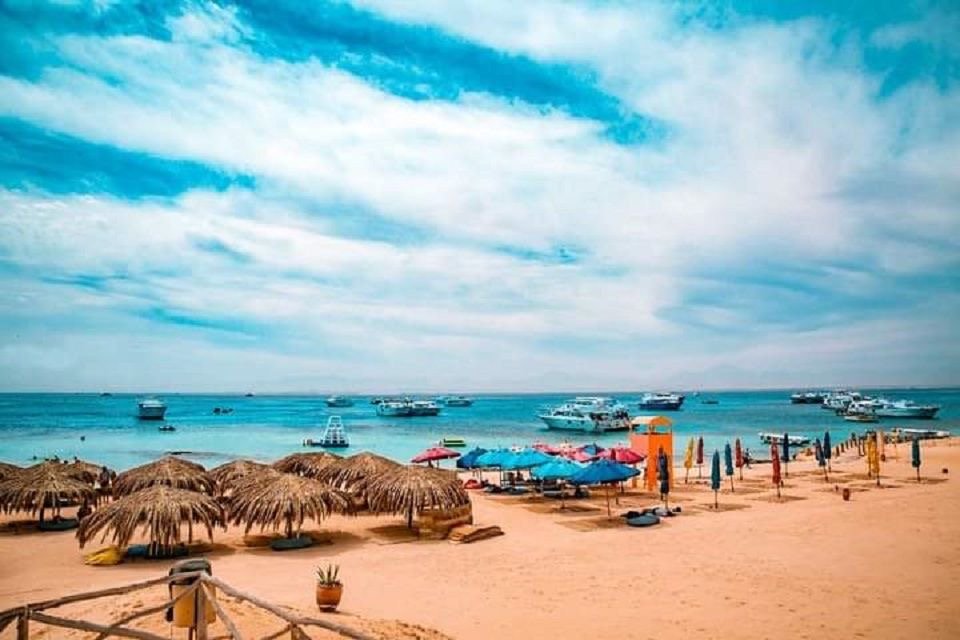
he Red Sea is one of the world’s most remarkable bodies of water, stretching approximately 2,250 kilometers (1,400 miles) between northeastern Africa and the Arabian Peninsula. It forms a natural border between two continents and connects some of the oldest civilizations in human history. Along its shores lie Egypt, Sudan, Eritrea, Djibouti, Saudi Arabia, Jordan, Israel, and Yemen, making it one of the most strategically and culturally significant seas on Earth.
At its northern end, the Red Sea divides into the Gulf of Suez and the Gulf of Aqaba before connecting to the Suez Canal, one of the world’s busiest maritime routes. To the south, it opens into the Gulf of Aden and the Arabian Sea, linking Europe, Africa, and Asia through one of the most important shipping corridors in global trade.
For travelers, however, the Red Sea is best known not for its commercial importance but for its extraordinary marine environment. Its warm climate, limited rainfall, and naturally clear waters have created ideal conditions for coral reefs and marine life to flourish, making it one of the world’s premier destinations for snorkeling, scuba diving, and luxury sea experiences.
Among all destinations along Egypt’s Red Sea coast, Hurghada has become one of the most popular and accessible bases for exploring this underwater paradise. Located around 450 kilometers southeast of Cairo, the city combines modern tourism infrastructure with immediate access to protected coral reefs, idyllic islands, and world-famous snorkeling and diving sites.
Unlike many tropical destinations where visitors must travel long distances by boat to reach healthy reefs, many of Hurghada’s finest marine locations are only a short cruise from the shoreline. This means more time exploring the underwater world and less time in transit.
Within a single day, visitors can travel from Hurghada Marina to some of the Red Sea’s most iconic destinations, including:
Giftun National Park, one of Egypt’s oldest protected marine reserves.
Orange Bay, famous for its powder-soft white sand and turquoise lagoons.
Paradise Island, known for calm waters and vibrant coral gardens.Magawish Island, offering a quieter and more exclusive beach experience.
Dolphin House (Shaab El Erg), where lucky visitors may encounter wild spinner dolphins in their natural habitat.
This exceptional accessibility is one of the reasons Hurghada consistently ranks among the top Red Sea destinations for both first-time visitors and experienced divers.
Hurghada enjoys sunshine throughout the year, with very little rainfall and sea temperatures that remain comfortable in every season. Even during the winter months, the Red Sea is significantly warmer than many European coastal destinations, allowing visitors to enjoy snorkeling, diving, fishing trips, yacht cruises, and water sports almost every month of the year.
These stable weather conditions also contribute to the region’s exceptional underwater visibility, which often exceeds 20 to 30 meters (65–100 feet). For photographers, divers, and snorkelers, this clarity transforms every excursion into an immersive experience where vibrant coral reefs and marine life can be observed in remarkable detail.
Hurghada is far more than a beach resort. It is a destination where visitors can combine adventure, relaxation, culture, and luxury within a single holiday. A typical day might begin with snorkeling above colorful coral reefs, continue with a private yacht cruise across the Red Sea, include lunch on a secluded island, and finish with a sunset overlooking the marina.
The city’s wide range of experiences also makes it suitable for every type of traveler. Families appreciate the calm beaches and safe snorkeling conditions, couples enjoy romantic private cruises and island escapes, while adventure seekers can combine diving, fishing, desert safaris, and water sports in one unforgettable itinerary.
One of the greatest advantages of staying in Hurghada is flexibility. Weather and sea conditions can vary from one reef to another, and experienced local operators know how to select the best locations each day. This local knowledge often makes the difference between a good excursion and an exceptional one, allowing visitors to experience the Red Sea at its very best.
Whether you are planning your first trip to Egypt or returning to discover more of the Red Sea, Hurghada offers the perfect balance of accessibility, natural beauty, professional tourism services, and unforgettable marine adventures—making it one of the finest coastal destinations in the world.
he story of the Red Sea began millions of years before the first civilizations appeared. Today, it is celebrated as one of the world’s premier destinations for snorkeling and diving, but its origins lie deep within the Earth’s geological history. Over time, it has evolved from a shifting tectonic rift into a vital trade route, a crossroads of cultures, and one of the planet’s most extraordinary marine ecosystems.
The Red Sea was created around 30 million years ago when the African Plate and the Arabian Plate began slowly moving apart. As these tectonic plates separated, the Earth’s crust fractured, forming a long, narrow basin that gradually filled with seawater from the Indian Ocean through the Gulf of Aden.
Although this movement is incredibly slow—only a few millimeters each year—it continues today. The Red Sea is still expanding, making it one of the youngest oceans on Earth from a geological perspective. Scientists study this region because it offers a rare opportunity to observe how oceans are formed over millions of years.
This unique geological history also explains why the Red Sea contains dramatic underwater landscapes, including deep trenches, steep reef walls, volcanic formations, and extensive coral reef systems that support an extraordinary variety of marine life.
Despite its name, the Red Sea is not actually red. Historians and scientists have proposed several explanations for its unusual name, and while no single theory has been universally accepted, a few stand out as the most widely supported.
One theory suggests that seasonal blooms of microscopic algae, particularly Trichodesmium erythraeum, can occasionally tint parts of the water with a reddish-brown hue. Another theory links the name to the reddish mountains that border sections of the coastline, especially when illuminated by the rising or setting sun.
Some historians believe the name originated from ancient traditions that associated colors with cardinal directions, where “red” symbolized the south. Whatever its origin, the name has been used for thousands of years and remains one of the most recognizable geographical names in the world.
For thousands of years, the Red Sea served as one of the world’s most important maritime highways. Ancient Egyptians sailed these waters to trade with the mysterious Land of Punt, believed by many historians to have been located somewhere along the Horn of Africa. Expeditions brought back incense, gold, ebony, ivory, exotic animals, and rare plants that were highly valued throughout the ancient world.
Later, the Greeks and Romans expanded maritime trade across the Red Sea, connecting the Mediterranean with Arabia, East Africa, and India. Ports along Egypt’s coastline became vital centers for commerce, helping transport spices, silk, precious stones, perfumes, and other luxury goods.
This maritime network transformed the Red Sea into one of the earliest global trade corridors, linking continents and cultures centuries before the modern shipping industry existed.
During the Islamic Golden Age, the Red Sea remained one of the most significant trade routes in the world. Merchant ships carried goods between Africa, the Middle East, India, and Southeast Asia, while pilgrims traveled through Red Sea ports on their journeys to the holy cities of Makkah and Madinah.
The sea became a meeting point for merchants, explorers, scholars, and travelers, strengthening cultural exchange between civilizations and contributing to the development of international commerce.
Today, the Red Sea continues to play a vital role in global trade through the Suez Canal, one of the busiest shipping routes on Earth. Every year, thousands of vessels transport goods between Europe, Asia, and Africa, highlighting the sea’s ongoing economic importance.
At the same time, the Red Sea has become one of the world’s leading destinations for marine tourism. Visitors travel from around the globe to experience its coral reefs, crystal-clear waters, luxury resorts, private yacht excursions, and exceptional opportunities for snorkeling, scuba diving, and underwater photography.
Hurghada has become one of the region’s most popular destinations because it combines easy international access with some of the Red Sea’s richest marine environments. Here, history and nature exist side by side—modern marinas overlook waters that have connected civilizations for thousands of years.
The Red Sea’s history is still being written. While its ancient trade routes shaped civilizations, its coral reefs and marine life now represent one of its greatest treasures. Protecting these ecosystems is essential, not only for the wildlife that depends on them but also for the millions of people whose livelihoods are connected to sustainable tourism.
Every responsible visitor contributes to preserving this remarkable natural and cultural heritage. By respecting marine life, supporting conservation efforts, and choosing responsible tour operators, travelers help ensure that future generations will continue to experience the same breathtaking underwater world that has inspired explorers for centuries.
The Red Sea is far more than a beautiful destination for snorkeling and diving—it is one of the world’s most unique and resilient marine ecosystems. Every coral reef, seagrass meadow, mangrove forest, and open-water habitat forms part of a complex living network where thousands of species depend on one another for survival. Understanding this ecosystem not only makes your visit more meaningful but also highlights why protecting the Red Sea is so important.
Despite its warm temperatures, high salinity, and arid surroundings, the Red Sea supports an astonishing level of biodiversity. Scientists have identified more than 1,200 species of fish, over 300 species of hard coral, numerous soft corals, marine mammals, sea turtles, rays, sharks, crustaceans, mollusks, and countless microscopic organisms. Remarkably, around 10–15% of the Red Sea’s fish species are endemic, meaning they are found nowhere else on Earth.
This extraordinary diversity exists because the Red Sea contains a variety of interconnected habitats, each playing a critical role in maintaining the health of the entire marine environment.
Coral reefs are often called the “rainforests of the sea,” and nowhere is this comparison more appropriate than in the Red Sea. Although coral reefs cover only a tiny fraction of the ocean floor, they support an enormous proportion of marine biodiversity.
Corals themselves are living animals known as coral polyps. These tiny organisms build calcium carbonate skeletons that gradually form the spectacular reef structures seen today. Living inside their tissues are microscopic algae called zooxanthellae, which produce energy through photosynthesis. This remarkable partnership allows coral reefs to thrive in nutrient-poor waters while creating food and shelter for countless marine species.
Healthy coral reefs provide:
Shelter for juvenile fish.
Feeding grounds for turtles and rays.
Protection for coastlines against wave erosion.
Breeding habitats for hundreds of marine organisms.
One of the world’s most productive underwater ecosystems.
Without healthy coral reefs, much of the Red Sea’s marine life would simply not exist.
While coral reefs receive most of the attention, the seagrass meadows surrounding Hurghada are equally important. These underwater flowering plants stabilize the seabed, improve water quality, and provide essential nursery habitats for young fish and invertebrates.
They also serve as feeding grounds for green sea turtles and the elusive dugong, often called the “sea cow.” Although dugongs are rare, the Red Sea remains one of the few places where they can still be found in the wild.
Healthy seagrass beds also store significant amounts of carbon, making them an important ally in the fight against climate change.
In certain sheltered coastal areas, mangrove trees create another essential ecosystem. Their complex root systems trap sediment, protect shorelines from erosion, and provide safe breeding areas for juvenile fish, crabs, and birds.
Mangroves act as natural filters, improving water quality before it reaches nearby coral reefs. This connection demonstrates how every habitat within the Red Sea is linked—damage to one ecosystem can affect many others.
A healthy coral reef is constantly alive with movement. During a single snorkeling trip in Hurghada, visitors may observe hundreds of different organisms interacting within the same ecosystem.
Colorful reef fish weave through branching corals in search of food, while larger predators patrol the edges of the reef. Cleaner wrasse remove parasites from larger fish in a remarkable example of mutual cooperation, and octopuses use camouflage to blend almost perfectly into their surroundings.
Even seemingly empty patches of reef often contain tiny shrimp, crabs, nudibranchs, and other fascinating creatures that reveal themselves only to careful observers.
Every species, no matter how small, contributes to the overall balance of the ecosystem.
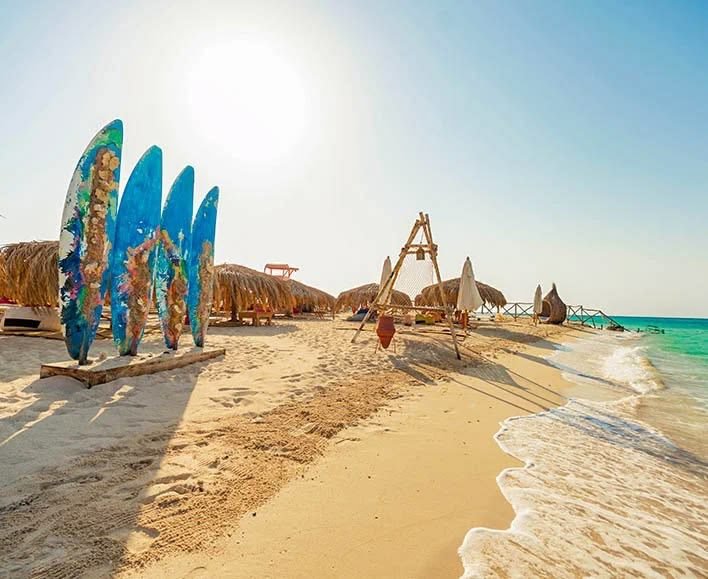
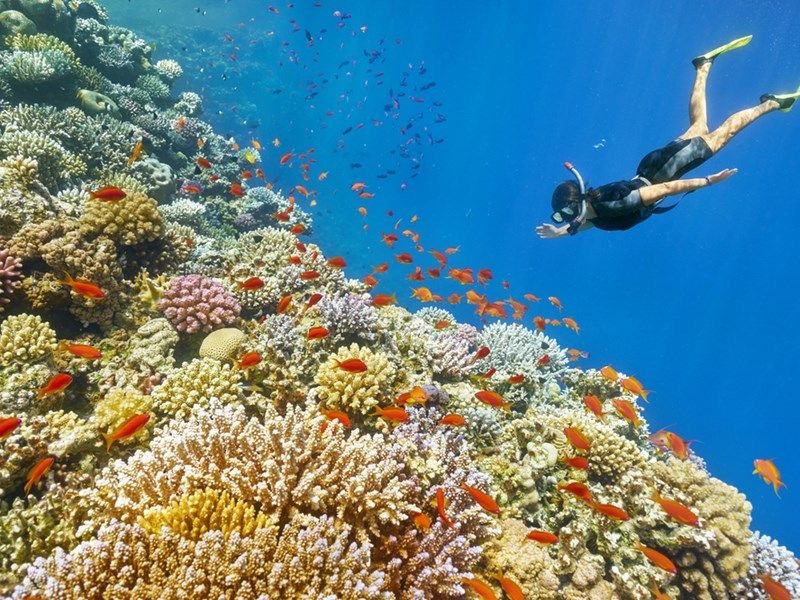
One of the most fascinating aspects of the Red Sea is the resilience of many of its coral reefs. Scientists continue to study these reefs because some coral populations appear better adapted to warmer water than reefs in many other tropical regions.
This does not mean the Red Sea is immune to environmental threats. Climate change, pollution, careless tourism, plastic waste, and physical damage to coral remain significant challenges. However, understanding the natural resilience of these reefs may help researchers develop strategies to protect coral ecosystems around the world.
This makes the Red Sea not only a destination for tourism but also an invaluable natural laboratory for marine science.
One of the greatest advantages of visiting Hurghada is how easily travelers can experience this extraordinary ecosystem. Within a short boat journey, visitors can snorkel over vibrant coral gardens, observe schools of tropical fish, encounter graceful sea turtles, and, with a little luck, spot wild dolphins in their natural environment.
No two excursions are ever the same. Seasonal changes, weather conditions, and the natural movement of marine life ensure that every trip offers new discoveries. This sense of exploration is one of the reasons so many travelers return to Hurghada year after year.
For photographers, divers, and nature lovers alike, the Red Sea is not simply a place to visit—it is a living world waiting to be explored with curiosity, respect, and appreciation.
As guides and sea professionals in Hurghada often say, the best snorkeling experience is not about finding the biggest fish—it’s about slowing down and observing the reef carefully. The more time you spend floating quietly above the coral, the more you begin to notice: a tiny cleaner shrimp at work, a camouflaged octopus tucked between rocks, or a hawksbill turtle gliding effortlessly through the water. These are the moments that stay with visitors long after they return home.
| Activity | Best Season | Difficulty |
|---|---|---|
| Snorkeling | All Year | Easy |
| Diving | All Year | Medium |
| Dolphin Watching | Spring–Autumn | Easy |
| Underwater Photography | Summer | Medium |
After guiding thousands of visitors on snorkeling and private boat trips around Hurghada, we’ve learned that early morning excursions often provide the calmest sea conditions and the clearest underwater visibility.
eading about the Red Sea is only the beginning. Discover its coral reefs, islands, and marine life with professionally guided experiences from Luxury Hurghada Tour.
Explore:
Private Yacht Charters
Orange Bay Trips
Paradise Island
Dolphin House
Intro Diving
Scuba Diving
Snorkeling Tours
Egyptian Environmental Affairs Agency
Yes. The Red Sea is considered one of the best places in the world for beginners to enjoy snorkeling and introductory scuba diving. Around Hurghada, many snorkeling sites feature calm, shallow waters with excellent visibility, making it easy to observe colorful coral reefs and tropical fish without extensive experience. Beginners should always follow their guide’s instructions, wear appropriate safety equipment, and avoid touching coral or marine life
Wild dolphins can sometimes be seen during boat trips to areas such as Dolphin House (Sha’ab El Erg), but sightings are never guaranteed because they are free-ranging animals in their natural habitat. Responsible tour operators observe dolphins from a respectful distance and follow local environmental guidelines to minimize disturbance. If dolphins choose to approach swimmers, it can be an unforgettable experience, but visitors should never chase or attempt to feed them.
Hurghada is a year-round destination thanks to its warm climate and sunny weather. Spring (March to May) and autumn (September to November) are especially popular because temperatures are pleasant both on land and in the water. Summer offers the warmest sea temperatures and excellent underwater visibility, while winter remains comfortable for sightseeing, snorkeling, and diving, particularly for visitors from colder climates.
Not necessarily. Many snorkeling trips welcome non-swimmers by providing life jackets and flotation devices. Professional guides are available to assist beginners throughout the experience. However, being comfortable in the water will help you enjoy the experience more, and you should always inform your guide about your swimming ability before entering the sea.
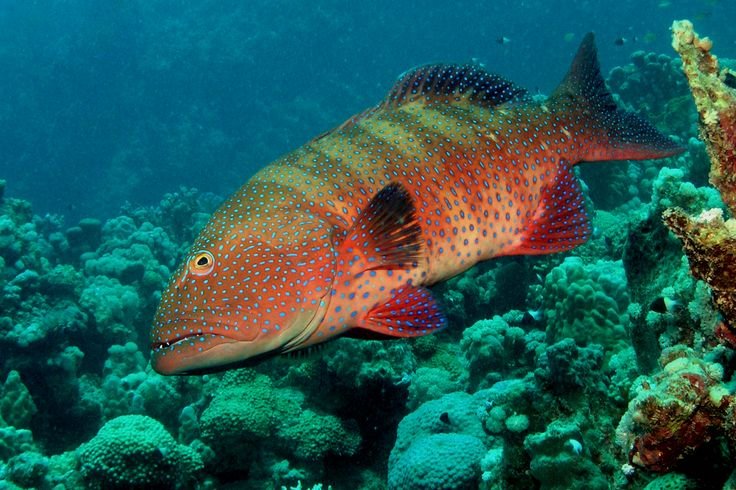
Depending on the season and the snorkeling or diving location, visitors may encounter colorful reef fish, clownfish, butterflyfish, parrotfish, lionfish, moray eels, octopuses, blue-spotted stingrays, green sea turtles, hawksbill turtles, dolphins, and a wide variety of hard and soft corals. Every trip is different, making each visit to the Red Sea a unique wildlife experience.
No. Coral reefs are living organisms that grow very slowly and can be permanently damaged by even a light touch. Touching coral may also cause cuts or skin irritation because some coral species have sharp edges or defensive cells. The best way to protect the reef is to maintain good buoyancy, avoid standing on coral, and never collect coral or marine life as souvenirs.
Absolutely. The Red Sea is internationally recognized as one of the world’s top underwater photography destinations. Exceptional visibility, abundant sunlight, colorful coral reefs, and diverse marine life provide ideal conditions for photographers of all skill levels. Morning trips usually offer the clearest water and the best natural lighting for capturing vibrant underwater images.
The coral reefs of the Red Sea are among the oldest and most resilient reef systems in the world. They support hundreds of coral species and more than 1,200 species of fish, many of which are found nowhere else on Earth. Scientists continue to study these reefs because some have shown an unusual ability to tolerate warmer water temperatures, making them especially important for marine conservation research.